



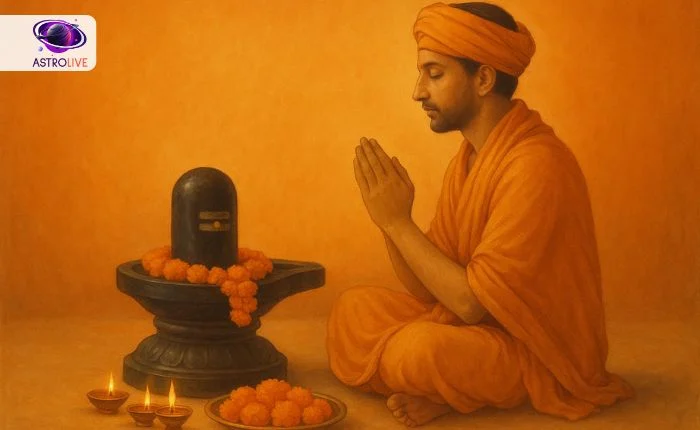
Pashupatinath Vrat is a sacred Hindu fasting ritual dedicated to Lord Shiva in his form as Pashupatinath, the lord of all living beings. This ancient practice holds deep spiritual significance for devotees seeking divine blessings, inner peace, and liberation from worldly suffering.
Observed with devotion and sincerity, this vrat can transform your spiritual journey and bring positive changes to your life. Fasting has always been an integral part of Hindu traditions, and this particular observance connects devotees directly with the supreme consciousness of Lord Shiva.
Whether you’re seeking spiritual growth, family welfare, or relief from life’s challenges, understanding the proper rituals and rules can help you perform this vrat with complete devotion.
Understanding Pashupatinath Vrat:
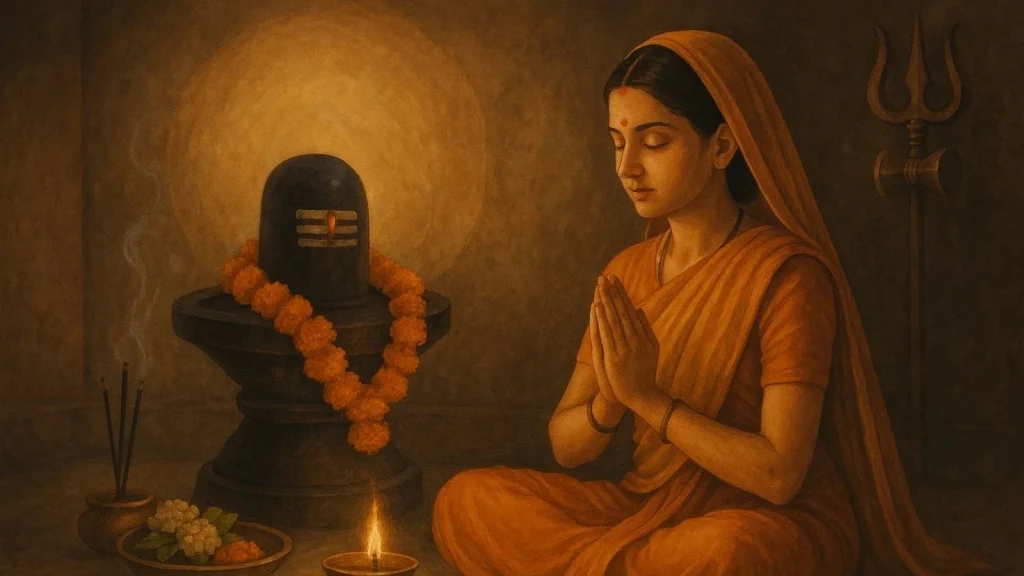
This holy fast is typically observed on Mondays during the month of Shravan or on special occasions like Maha Shivaratri.
Devotees believe that Lord Pashupatinath grants wishes and protects his followers from negative energies when worshipped with a pure heart.
The vrat is not merely about abstaining from food; it’s a complete spiritual practice involving meditation, prayers, and self-discipline.
Many devotees observe Pashupatinath Vrat for specific periods, ranging from one day to several consecutive Mondays, depending on their spiritual goals and capabilities. Celebrate Masik Shivratri For Divine Blessings and embrace the sacred tradition with devotion.
Who Should Observe This Vrat?
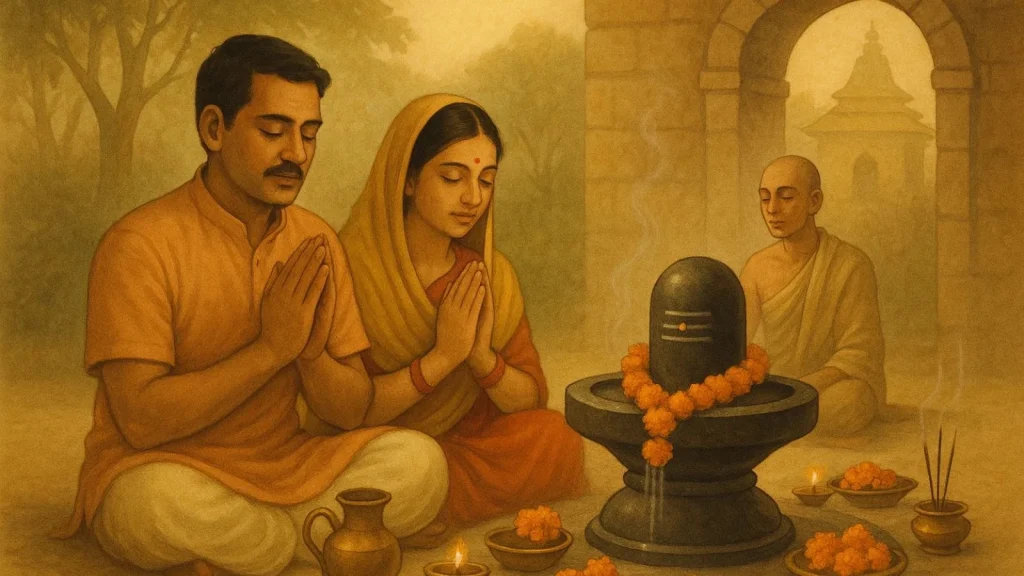
Anyone with faith and devotion can perform this sacred fast. It’s particularly beneficial for:
- Those seeking marital bliss and family harmony
- People facing health challenges or chronic ailments
- Individuals looking for spiritual awakening
- Devotees wanting to remove obstacles from their path
- Those seeking forgiveness for past mistakes
Both men and women can observe this vrat, though pregnant women, young children, and those with serious health conditions should consult their elders or spiritual guides before beginning.
Pashupatinath Puja Vidhi: Step-by-Step Ritual:
1. Preparation Before the Vrat:
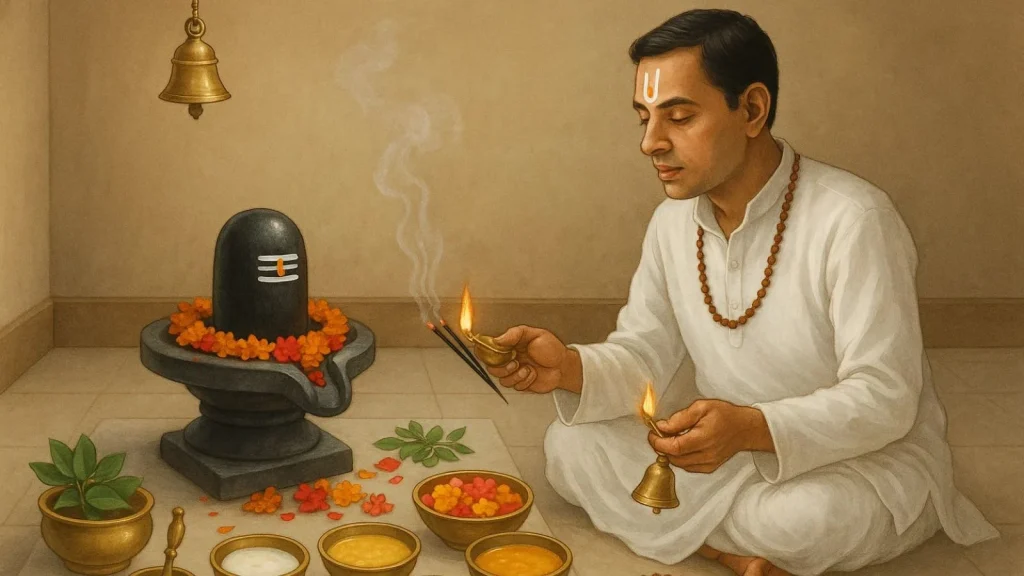
Begin your preparation the night before by deciding on your fasting rules. Clean your puja space thoroughly and gather all necessary items: a Shiva linga or picture of Lord Pashupatinath, flowers (preferably white or bilva leaves), incense sticks, a diya (lamp), milk, honey, yogurt, ghee, and holy water.
2. Morning Rituals:
Wake up before sunrise and take a cleansing bath. Wear clean clothes, preferably white or light colors. Set up your puja area facing east or north for maximum spiritual benefits.
Light the diya and incense sticks to purify the atmosphere. Sprinkle holy water around the puja space while chanting “Om Namah Shivaya.”
3. Main Puja Process:
Place the Shiva linga or image of Lord Pashupatinath on a clean platform. Offer water from a copper vessel while chanting mantras. Perform abhishek (ritual bathing) using milk, honey, yogurt, ghee, and water, each representing different aspects of life and devotion.
Decorate the deity with fresh flowers and bilva leaves. Light camphor and perform aarti while ringing a bell. Offer fruits, coconuts, and other prasad items that you’ve prepared specially for the occasion.
Recite Shiva mantras, particularly “Om Namah Shivaya” 108 times using a rudraksha mala. You can also chant the Mahamrityunjaya mantra for health and protection.
4. Evening Rituals:
Repeat a shorter version of the morning puja in the evening. Some devotees visit Shiva temples during the day to seek additional blessings and participate in community worship.
Check Auspicious Timings With Today’s Panchang
Rules and Guidelines for Pashupatinath Vrat:
Fasting Rules:
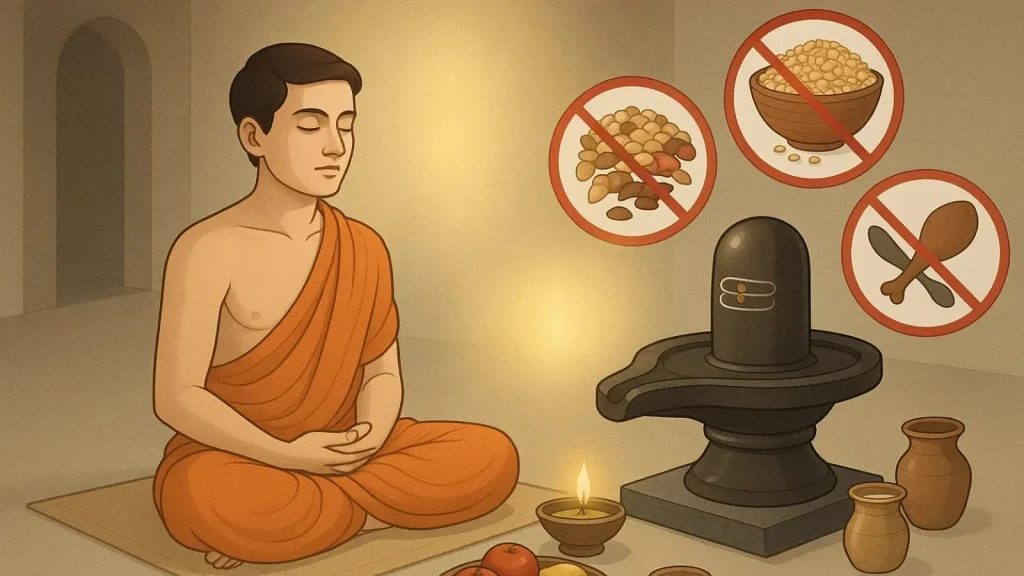
The strictness of fasting varies based on individual capacity. Complete fasting (nirjala) involves abstaining from both food and water until the vrat is concluded. Partial fasting allows consumption of fruits, milk, and water. Choose what suits your health condition best.
Avoid grains, pulses, salt, onion, and garlic during the fasting period. Break your fast only after completing the evening puja with proper rituals.
Behavioral Guidelines:
Maintain celibacy on the day of the vrat. Speak truthfully and avoid harsh words or negative conversations. Practice patience and kindness toward all living beings, this embodies the essence of bhakti seva.
Avoid sleeping during the day if possible. Use this time for meditation, reading spiritual texts, or listening to devotional songs dedicated to Lord Shiva.
What to Avoid:
Stay away from non-vegetarian food, alcohol, and tobacco not just on the fasting day but ideally throughout the vrat period if observing multiple days.
Avoid watching inappropriate content or engaging in worldly entertainment that distracts from spiritual focus.
Don’t gossip or participate in conflicts. The energy you maintain during Pashupatinath Vrat directly impacts its spiritual effectiveness.
Pashupatinath Vrat Katha: The Sacred Story:
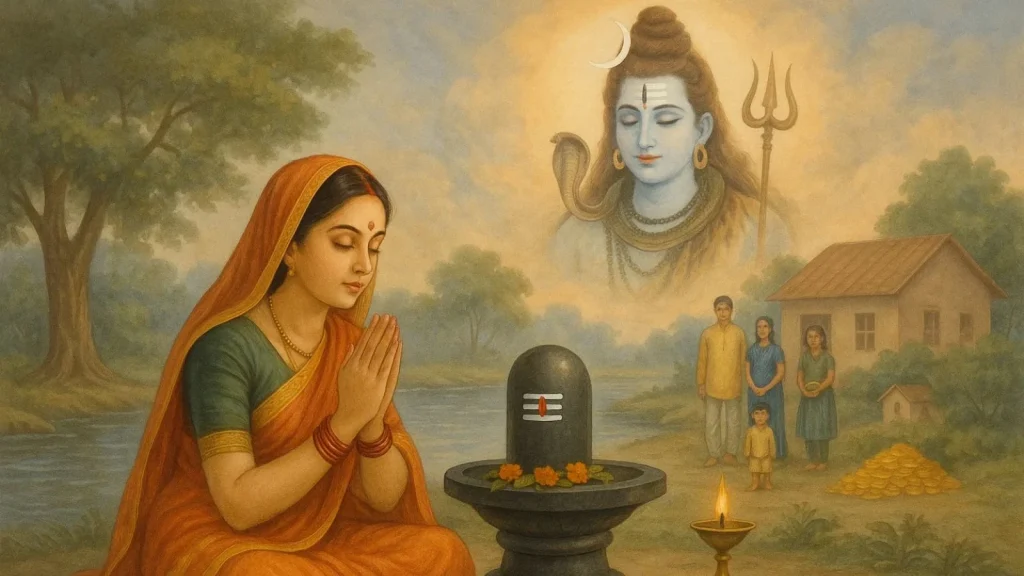
Every vrat has a katha (story) that explains its origin and significance. The Pashupatinath Vrat Katha tells of a devoted woman who faced immense hardships in life. Her husband was critically ill, and they had lost all their wealth. In desperation, she prayed to Lord Shiva.
One night, Lord Pashupatinath appeared in her dreams and instructed her to observe this special vrat with complete devotion. He promised that her troubles would end and prosperity would return. The woman followed the instructions precisely, observing the fast, performing the rituals, and maintaining purity of thought and action.
True to his word, Lord Pashupatinath blessed her family. Her husband recovered completely, and they regained their lost fortune. More importantly, they found inner peace and spiritual wisdom that material wealth alone could never provide.
This katha is recited during the vrat to remind devotees of Lord Shiva’s compassionate nature and the power of sincere devotion. It reinforces that Pashupatinath Vrat is not just a ritual but a spiritual journey that can genuinely transform lives.
Also Read: The Significance of Satyanarayan Vrat: Benefits And Methods
Spiritual Benefits of This Sacred Fast:

1. Physical and Mental Well-being:
Observing this vrat with proper discipline detoxifies both body and mind. The fasting process cleanses your system, while the spiritual practices calm mental turbulence. Many devotees report improved concentration, reduced anxiety, and better sleep patterns after regularly performing this vrat.
2. Karmic Cleansing:
According to Hindu philosophy, sincere worship of Lord Pashupatinath helps burn past karmas. The vrat creates positive spiritual energy that neutralizes negative karmic patterns, opening doors for better life experiences.
3. Family Harmony:
Families that observe Pashupatinath Vrat together often experience stronger bonds and improved understanding. The shared spiritual practice creates an atmosphere of peace and mutual respect at home.
4. Material and Spiritual Prosperity:
While spiritual growth is the primary goal, devotees often receive material blessings as well. Lord Shiva removes obstacles from your path, making way for success in endeavors when approached with righteous intentions.
5. Protection from Negative Energies:
The powerful vibrations created during the puja protect you from negative influences, evil eye, and psychic attacks. Regular observance builds a protective spiritual shield around you and your loved ones.
Also Read: How To Celebrate Masik Shivratri For Divine Blessings?
Why Consult AstroLive For Pooja/Vrat?

Performing Pashupatinath Vrat correctly requires proper guidance, especially if you’re observing it for the first time. This is where AstroLive can be invaluable for your spiritual journey.
Through AstroLive, you can connect with Experienced Astrologers and spiritual guides who understand the intricate details of Vedic rituals. They can provide personalized guidance on:
1. Timing Your Vrat:
Astrologers can calculate the most auspicious dates based on your birth chart, maximizing the vrat’s effectiveness. The planetary positions during your observance significantly impact the results.
2. Customized Rituals:
Every individual’s spiritual needs are unique. AstroLive experts can suggest specific mantras, offerings, and practices tailored to your life circumstances and goals.
3. Addressing Obstacles:
If you face difficulties during the vrat or don’t see expected results, astrologers can identify planetary obstacles and recommend remedial measures like specific gemstones or additional prayers.
4. Learning Pashupatinath Vrat Kaise Kare:
For beginners wondering “pashupatinath vrat kaise kare,” AstroLive provides step-by-step video guidance and live consultations where you can ask questions in real-time.
5. Bhakti Seva Opportunities:
The platform also connects you with temples and organizations where you can perform bhakti seva (devotional service), enhancing the merits earned through your vrat.
The convenience of accessing spiritual guidance from home makes AstroLive particularly helpful for those who cannot easily visit temples or find knowledgeable priests in their area. Expert support ensures you perform every aspect correctly, from the morning rituals to breaking the fast appropriately.

Conclusion:
Pashupatinath Vrat is a beautiful spiritual practice that connects you with the divine compassion of Lord Shiva. By following the proper rituals, maintaining discipline, and approaching the vrat with genuine devotion, you open yourself to profound blessings and transformation. Whether seeking spiritual growth, family welfare, or relief from life’s challenges, this sacred fast offers a powerful path forward. Remember that the true essence lies not in mere ritual observance but in the devotion, purity, and selfless attitude you bring to the practice.
FAQ’s:
Q1: Can I drink water during Pashupatinath Vrat?
Ans: It depends on your capacity. Nirjala (waterless) fasting is more rigorous, but you can drink water if health requires it. Lord Shiva values devotion over hardship.
Q2: How many times should I observe this vrat?
Ans: Common practices include observing for consecutive Mondays (typically 16) or on special occasions like Maha Shivaratri. Consult a spiritual guide for personalized recommendations.
Q3: What if I accidentally break the fast?
Ans: If broken unintentionally, seek forgiveness from Lord Shiva with sincere prayer. Complete your remaining rituals and continue with pure intentions. Devotion matters more than rigid perfection.