



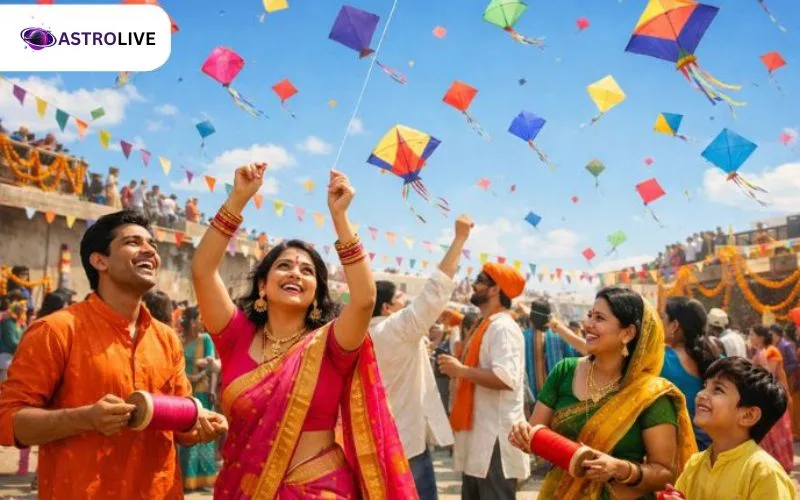
Makar Sankranti is one of India’s most celebrated harvest festivals, bringing people together to mark the transition of the sun into Capricorn. Observed with joy, devotion, and colorful traditions, this festival signals the end of winter and the beginning of longer, warmer days.
Across the country, Makar Sankranti is celebrated with unique rituals, regional foods, and community gatherings, making it a festival that blends spirituality, culture, and seasonal significance. From flying kites in Gujarat to preparing sesame and jaggery sweets in Maharashtra, each tradition reflects the joy of a bountiful harvest.
Understanding the customs, rituals, and significance of Makar Sankranti helps deepen appreciation for this festival while allowing families and communities to celebrate mindfully and joyfully.
What Is Makar Sankranti?
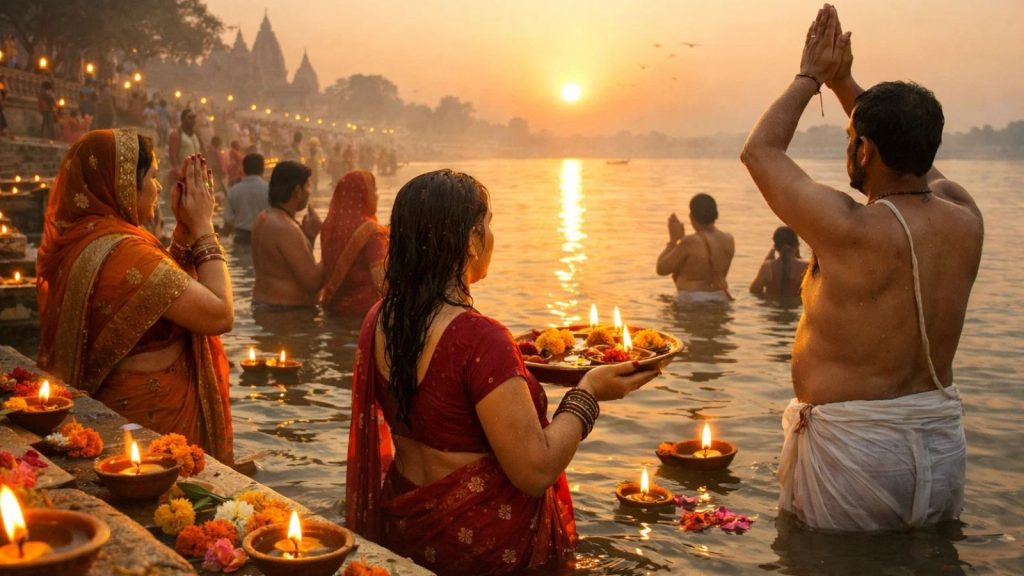
Makar Sankranti is a Hindu festival that marks the sun’s transition into the zodiac sign of Capricorn (Makar) each year. This astronomical shift signals the end of the winter solstice and the start of longer, sunnier days, symbolizing new beginnings, prosperity, and hope.
The festival has been celebrated for centuries and holds both religious and agricultural importance. Traditionally, it marks the harvest season, when farmers give thanks for a successful crop and prepare for the next cycle. Rituals often involve offering prayers to the Sun God, taking holy dips in rivers, and sharing food with family and neighbors.
Across India, the festival is known by different names—like Pongal in Tamil Nadu, Lohri in Punjab, and Uttarayan in Gujarat—but the central theme remains the same: gratitude for the harvest, reverence for the sun, and celebration of life’s abundance.
When Is Makar Sankranti 2026?

In 2026, Makar Sankranti will be observed on Wednesday, January 14. Based on the traditional Panchang rules, while the Sun enters Capricorn on the afternoon of January 14, many will perform the primary rituals, such as daan (charity) and eating festive khichdi, on Thursday, January 15. This shift occurs because the transition happens after sunrise on the 14th, and January 15 also avoids a clash with the Shattila Ekadashi fast.
While the main day is celebrated nationwide, the festivities often begin a day or two earlier in some regions with preparations, special prayers, and community events. For example, kite flying in Gujarat or early harvest rituals in Maharashtra start in advance, building excitement for the main festival day.
Knowing the exact date helps families plan celebrations, prepare traditional foods, and participate in rituals. Tools like AstroLive can also guide enthusiasts on auspicious timings (muhurats) for prayers and rituals, making the celebration more meaningful.

Why Makar Sankranti Is Celebrated?
Makar Sankranti is celebrated for both religious and agricultural reasons, blending spiritual reverence with gratitude for nature’s bounty.
Religiously, the festival marks the sun’s entry into Capricorn (Makar), which is considered highly auspicious in Hindu astrology. Devotees offer prayers to the Sun God, thanking him for life, energy, and prosperity. Taking holy dips in rivers like the Ganges, Godavari, or Yamuna is believed to purify the mind and body.
Agriculturally, Makar Sankranti coincides with the harvest season. Farmers celebrate the culmination of months of hard work, thanking nature for the crops and preparing for the next cycle. Exchanging sesame and jaggery sweets symbolizes goodwill and sharing the sweetness of life.
Overall, the festival emphasizes gratitude, community bonding, and new beginnings. It’s a reminder to honor nature’s cycles while celebrating life’s abundance.
Regional Traditions and Rituals
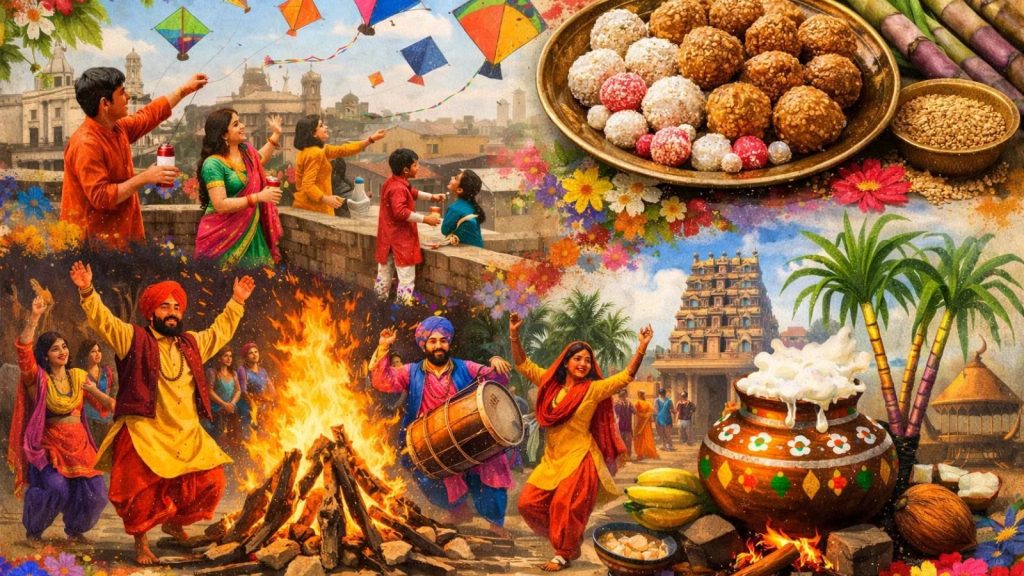
Makar Sankranti is celebrated across India with unique customs that reflect each region’s culture, climate, and history. While the festival’s core theme is gratitude and new beginnings, the rituals vary widely:
- Gujarat and Rajasthan: Kite flying is the highlight. The skies are filled with colorful kites as families and communities compete, symbolizing joy, freedom, and the victory of light over darkness.
- Maharashtra: People exchange tilgul (sesame and jaggery sweets) with the phrase, “Tilgul ghya, goad goad bola”, which means “accept the sweetness and speak kindly,” emphasizing harmony and friendship.
- Punjab: Celebrated alongside Lohri, bonfires are lit, and traditional dances like Bhangra are performed. The festival also marks the harvest of sugarcane.
- Tamil Nadu: Known as Pongal, it’s a four-day festival where freshly harvested rice is cooked with milk and jaggery to offer thanks to the Sun God.
- Other Regions: River baths, fairs, and community prayers are common, alongside local delicacies and folk performances.
These rituals combine devotion, festivity, and social bonding, making Makar Sankranti a festival that is both spiritual and joyous.
Traditional Foods of Makar Sankranti
Food plays a central role in Makar Sankranti celebrations, with regional delicacies symbolizing prosperity, health, and sweetness in life. Many of these dishes use seasonal ingredients like sesame seeds, jaggery, and freshly harvested grains, reflecting the festival’s harvest origins.
- Sesame and Jaggery Sweets: Known as tilgul in Maharashtra and ellu-bella in Karnataka, these treats are shared among family and friends to symbolize unity and goodwill.
- Chikki and Ladoos: Crunchy sesame or peanut chikkis and jaggery ladoos are enjoyed across India, providing warmth and energy during winter.
- Pongal: In Tamil Nadu, the freshly harvested rice is cooked with jaggery and milk to prepare the sweet dish Sakkarai Pongal, offered to the Sun God.
- Savory Dishes: Many regions prepare savory items like khichdi, parathas, and special lentil dishes, emphasizing balanced festive meals.
These traditional foods not only delight the taste buds but also carry symbolic meaning, celebrating the harvest and fostering a sense of community and gratitude.
Modern Ways to Celebrate
While traditional rituals remain central, many people now celebrate Makar Sankranti with modern twists that suit today’s lifestyle. Social gatherings, online greetings, and community events have made the festival more accessible and enjoyable for everyone.
- Digital Wishes: Sending Happy Makar Sankranti messages via social media, WhatsApp, or emails has become a popular way to connect with loved ones across distances.
- Community Events: Cities and towns organize fairs, kite festivals, and cultural performances, making it a lively celebration for families and children.
- Creative Celebrations at Home: People experiment with new recipes, themed decorations, or home-based rituals while still honoring traditional practices.
By blending tradition with modern convenience, families can enjoy Makar Sankranti in a way that fits contemporary life while preserving its cultural essence.
What To Expect In This Makar Sankranti?
As Solar Cycle 25 is in decline, still in the active period of Solar activity. And that also reflects on the energy levels of people as well. The Sun is moving out of the shadows of Sagittarius (धनु) and entering Capricorn (मकर), which is also the sign of bringing positivity in your life. This day, you can think of it as the end of your karmic debt and start a new life with enthusiasm.
This is the best time to bring positive changes and make yourself more disciplined. If you start putting in the hard work now, you’ll soon witness the results—whether it’s in your career, lifestyle, relationships, or any other aspect of your life. Every effort you make today plants a seed for tomorrow’s growth.
But if you still feel an inner pull to understand why certain patterns keep repeating in your life or what your karmic lessons truly are, don’t ignore that intuition. Consult with AstroLive’s expert astrologers, who can decode your karmic blueprint and guide you toward the right decisions with clarity and confidence. Let this be the moment where you step into alignment with your purpose and create the life you deserve.

Conclusion
Makar Sankranti is more than just a festival—it’s a celebration of harvest, gratitude, and new beginnings. From flying kites in Gujarat to preparing sweet tilgul in Maharashtra or cooking Pongal in Tamil Nadu, the traditions and rituals of this festival bring families and communities together in joyous harmony.
Understanding why Makar Sankranti is celebrated, learning about regional customs, and enjoying traditional foods make the festival meaningful for everyone. Modern tools like AstroLive can enhance the experience by providing personalized auspicious timings and guidance, helping you celebrate thoughtfully while preserving cultural essence.
This Makar Sankranti 2026, embrace the season with gratitude, happiness, and togetherness. Share sweets, fly kites, perform rituals, and wish your loved ones a Happy Makar Sankranti, celebrating both tradition and the joy of life.
FAQ’s
1. What is the significance of flying kites during Makar Sankranti?
Kite flying symbolizes freedom, joy, and the victory of light over darkness. It is also believed that flying kites helps soak up sunlight and energy during the winter season.
2. Why are sesame seeds and jaggery important during Makar Sankranti?
Sesame (til) and jaggery (gur) represent warmth, energy, and sweetness in life. They are also considered beneficial for health during the colder months, helping to keep the body warm and nourished.3. Are there any spiritual benefits of taking a holy dip during Makar Sankranti?
Taking a dip in rivers on Makar Sankranti is believed to purify the mind and body, remove negative energy, and bring blessings from the Sun God.