



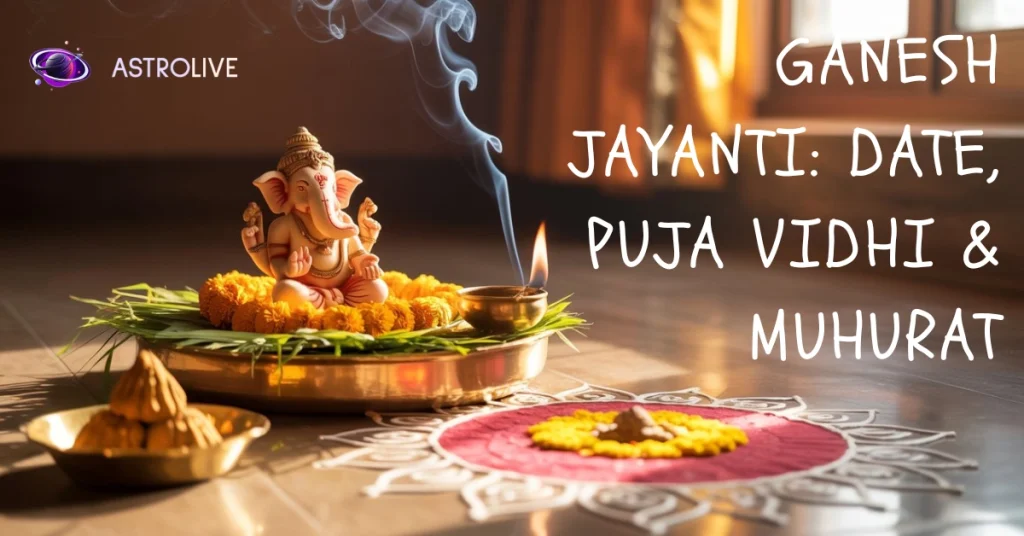
Ganesh Jayanti (2026) is a very special occasion for devotees of Lord Ganesh or Ganesha, also known as Maghi Ganpati Jayanti, observed during the Hindu month of Magha, on the Shukla (waxing or bright lunar) chaturthi (fourth day). Devotees worship Lord Ganesha (Bappa) on this day so that they may receive blessings for wisdom, as well as the removal of obstacles from their lives.
This article provides comprehensive information about the auspicious day (2026), including the date, favourable muhurat (auspicious time), puja timings, and instructions on how to perform puja at home, as per the Ganesh Jayanti Puja Vidhi. We will also discuss the significance of Maghi Ganpati Jayanti and what rituals and practices can be performed on this day to worship Lord Ganesha.
If you are celebrating this festival at home with a puja to your own heart or going to the temple, this guide should provide you with guidance and help you do so with love and positivity.
Ganesh Jayanti 2026 Date and Tithi
Ganesh Jayanti will be celebrated on Thursday, January 22, 2026. Ganesh Jayanti is celebrated on Shukla Chaturthi (the fourth lunar day in a waxing moon) of the month of Magha (Hindu calendar) in India. Therefore, this day is also referred to as “Maghi Ganpati Jayanti.”
On this day, Lord Ganesha is traditionally worshipped. Vighnaharta (obstacle-remover) and Sukhakarta (giver of happiness) are the two most revered qualities of Ganesha. Devotees generally wake up very early, bathe, tidy up their homes, and prepare to conduct puja on this day with all sincerity and heart.
Many Indian states, especially Maharashtra, observe this parv in several forms, such as through special prayers, fasting, and offering items such as modak (sweet dumplings made from rice flour and filled with jaggery), durva grass, and til-gud (sesame candy). Devotees believe that if they worship Ganpati Bappa on Ganesh Jayanti, they will receive peace, success, and an abundance of positive energy in their lives.

Puja Timings And Shubh Muhurat Of Ganesh Jayanti 2026
The best time to perform puja on Ganesh Jayanti 2026 is the mahadikhna muhurta, which means midday muhurta. The time of day when Lord Ganesh was born is considered to be Mahadikhna; therefore, performing puja during this period will have great significance to all who worship Ganesh.
Most devotees choose to perform their puja between 11:30 a.m. and 1:30 p.m. (approximately), but depending on their location, the actual time may vary slightly.
If you wish to perform the puja vidhi at home, here are some things to do to prepare:
1. Prepare for puja in the morning.
2. All items needed for the puja are set aside and ready.
3. The main puja is performed during the mahadikhna.
Additionally, as per tradition, many people do not view the moon on Ganesh Jayanti; therefore, many devotees like to complete their main puja before sunset and focus on prayers and positivity during the rest of the day.
Ganesh Jayanti Puja Process At Home
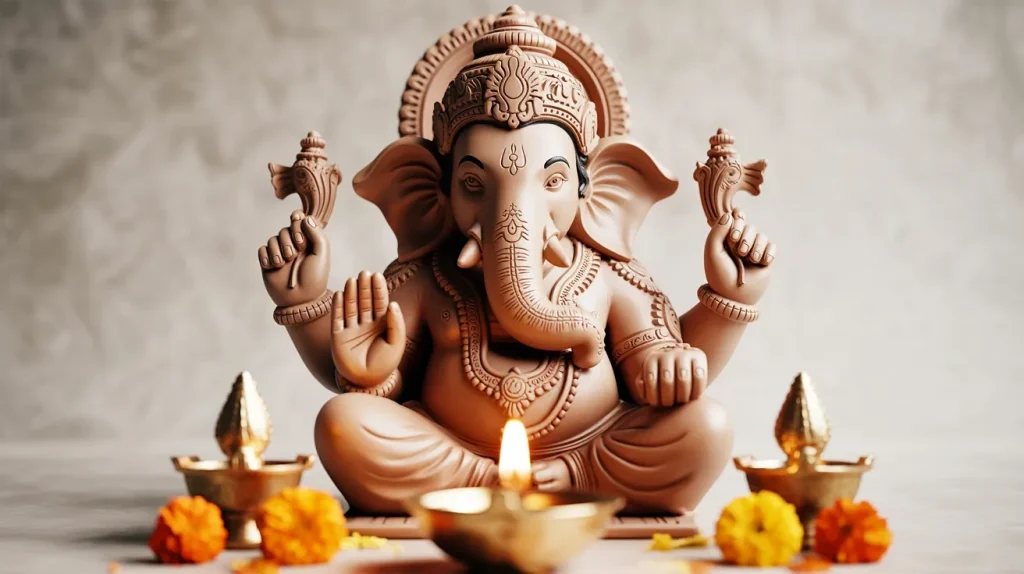
Creating a Ganesh Jayanti puja at home is straightforward and only requires simple dedication and devotion to Shiva Ganesha. A clean space, calmness in the mind, and genuine faith in Lord Ganesha are all that you need to perform the puja ritual in your home.
The following steps describe how to do the Ganesh Jayanti puja at home:
Step One: Take a shower and cleanse the puja location.
You should begin your day by taking a shower and changing into fresh clothes. The puja location should also be cleaned thoroughly before setting up the puja decoration. Either hang a clean cloth from your ceiling or lay a small table (chowki) with a clean cloth as a base.
Step Two: Set the idol/photograph of Lord Ganesh.
It is important to place an idol or photograph of Lord Ganesh on your puja location (this step will vary by individual preference). If you have purchased an idol of Lord Ganesh and are bringing it home, place it in its location with the utmost care and respect. To provide a calming atmosphere for the puja, light a diya and some incense sticks.
Step Three: Provide Lord Ganesh with his favourite food offerings.
After you have completed the first two steps of the puja process, you can move on to offering Lord Ganesh the following food offerings:
- Durva grass.
- Fresh flowers.
- Modaks (laddus) or (these can also be considered offerings to Lord Ganesh).
- Fresh fruit.
- Fresh coconut.
- Vermilion (sindoor) for Ganesh’s forehead (symbolises prosperity, wisdom).
- Akshat (rice grains).
These offerings are considered very auspicious for Lord Ganesha.
Step 4: Is doing Aarti and chanting mantras.
You may chant some of the basic Ganesh mantras:
“Om Gan Ganapataye Namah”
or
“Vakratunda Mahakaya Surya Koti Samaprabha”
After completing your chanting, perform the Ganesh Aarti and pray that you have wisdom, prosperity, good health, and freedom from all obstacles.
Step 5: Distribute Prasad and Take Blessings
Distributing Prasadam means you should give your prasad to your family members. If you are observing a fasting day, you would break your fast after the puja according to your family customs. Always remember to be grateful and have positive thoughts as you complete this process.
This Ganesh Jayanti home puja is perfect for anybody wanting to celebrate the festival peacefully.
Celebrate Ganesh Jayanti the right way, download AstroLive for puja vidhi and timings.
Maghi Ganpati Puja Vidhi (Traditional Rituals)
Maghi Ganpati Jayanti is an important Hindu festival celebrated mostly in Maharashtra and other states of India, where people celebrate this event with great devotion. The Maghi Ganapati puja vidhi has many similarities to the regular Ganesh Puja, but what sets it apart is that the puja is conducted with greater emphasis on fasting and simplicity of lifestyle, with the offering of traditional items.
It is also believed by many devotees that by worshipping Ganpati Bappa during the month of Magha, we will obtain a very powerful gift from Ganpati Bappa to create new beginnings in life for work or personal issues, as well as give us the strength to overcome major hardships in life.
Types Of Rituals For Maghi Ganapati Puja
There are various practices associated with Maghi Ganapati Jayanti, but the following are four of the more popular prayers.
Cleaning your Pooja Room & taking a bath in the morning: Devotees typically begin their day by bathing and then thoroughly cleaning their pooja room.
Pooja Room Set up: Devotees ensure that a Ganesha idol (or photo) is positioned in a clean area. Some households will also utilize a kalash (water pitcher) in conjunction with the idol.
Offerings: During the puja ceremony, devotees present Lord Ganesha with his favourite offerings such as Durva grass, Modak, Laddus, Coconut, Flowers, and Fruits. Additionally, many devotees will include til (Sesame Seed) items, which are considered to be auspicious at this time of year.
Mantras & Aarti: Devotees will practice chanting Ganesha Mantras, reciting the Ganesh Stotra, and performing Aarti with utmost faith.

Guidelines For Observing A Fast On Ganesh Jayanti
This fasting practice demonstrates both devotion and discipline, while representing a way for the individual to request US mentorship and continued growth in the form of study and wisdom. Each devotee who performs a fast typically has different ways in which they complete their fasting ritual. Many keep the Fast for the day only, but some may eat a limited amount. The majority of followers will consume food and drinks that are referred to in their family culture as “satvik,” however.
Foods That May Be Accepted When Fasting During Ganesh Jayanti
- Fruits (bananas, apples, papayas, etc.)
- Milk, Yogurt, buttermilk.
- Nuts (Almonds, walnuts, hazelnuts).
- Sabudana – (meaning “water chestnut”) khichri, vada.
- Singhara items or products made from water chestnuts.
- Rajgira flour (meaning “amaranth” flour) roti or ladoos.
- Starchy vegetables like potato and sweet potato (when permitted).
- Plenty of water and light meals.
Foods That Are Prohibited When Fasting For Ganesh Jayanti
Most followers will also avoid all non-vegetarian food, all forms of alcoholic drinks, and smoke, as well as eat foods that are oily or fried or out of one’s home (usually prepared by someone else).
Food types such as onions, garlic, rice, and wheat (for the stricter fasts) would also usually be avoided.
Simple Tips for Fasting for Ganesh Jayanti
If you have never fasted before, do not over-complicate your fasting ritual with restrictions. To create an easier way for someone who is fasting for the first time, consider fasting in a way that incorporates both fruit and animal products (from cow origin), along with more time spent praying and remaining in a positive state. As each devotee continues through the fast, their intention should always be focused on achieving the ultimate purpose of his/her fasting journey.
Also Read!
Sankashti Chaturthi Vrat: Significance & Puja Vidhi
Basant Panchami 2026: Complete Guide To The Festival Of Knowledge
Ganesh Jayanti Significance And Spiritual Benefits
Lord Ganesha is believed to be the first Hindu God worshipped in Hindu rituals. All new things, be it work or tasks, are done by gathering Lord Ganesha for blessings to remove obstacles and provide success.
On this day, worshippers pray to Lord Ganesha for:
- Wisdom and the ability to discern.
- Success in school and work.
- Peaceful homes and stable lives.
- Removal of obstructions and delays.
- Good luck with starting new ventures such as businesses, jobs, marriages, or travel.
Many worshippers believe that honoring Lord Ganesha on Ganesh Jayanti also helps in releasing negativity and provides mental clarity and strength, self-discipline, and greater concentration in everyday life.
Ganesh Jayanti’s essence lies in that it is not only about the rites performed, but also in making a positive start in life with confidence and faith.
Download AstroLive to get complete information about the Ganesh Jayanti puja and muhurat.
Conclusion
To adequately observe Ganesh Jayanti 2026, it is important to have a positive approach and a willingness to dedicate oneself in a spirit of love and devotion while worshipping Lord Ganesha. People can fulfill their obligations on this day by performing either a vrat (fast) or simply doing a peaceful puja (prayer) at home. The ultimate goal of this parv is to receive Ganpati Bappa’s blessings for wisdom, success, and the removal of obstacles from one’s life.
By recognizing all the important guidance related to Ganesh Jayanti and performing the puja according to the guidelines of the shubh muhurat, and offering simple but favourite items (i.e., durva, modak, and til-gud) to Lord Ganesha, people can observe this parv in a more meaningful manner.
If you want to find out when the right puja time and astrological information is to celebrate Ganesh Jayanti, download AstronLive to find the best times and ways to honour the festival of Maghi Ganapati Jayanti. 🙏✨
FAQs
1) Can we keep Ganesh Jayanti puja without bringing an idol home?
Yes. You can worship Lord Ganesha using a photo or a small murti in your home temple. Devotion matters more than the size of the setup.
2) Which colour clothes are best to wear on Ganesh Jayanti?
There is no strict rule, but many devotees prefer yellow, red, white, or light traditional colours, as they are considered auspicious for puja.
3) Can working people do the Ganesh Jayanti puja in a short time?
Yes. If you have less time, you can do a quick puja with a diya, flowers, one sweet offering, and 5–11 mantra chants. Even a simple prayer is enough.
4) Can we start a new work or business on Ganesh Jayanti?
Ganesh Jayanti is considered a good day to begin something new, especially after doing a short prayer and taking Bappa’s blessings.