



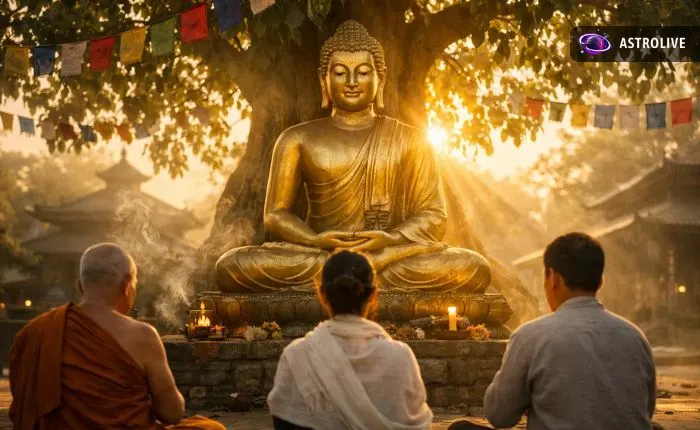
Every year, millions of hearts across the world pause in quiet reverence to honour Buddha Purnima, one of the most sacred days in the entire Buddhist calendar. This is more than a religious observance. It is a living reminder that the search for truth, compassion, and inner peace is something every human being is capable of.
Buddha Purnima marks the birth, enlightenment, and passing of Siddhartha Gautama, the man who became the Awakened One. As we step into 2026, this timeless occasion invites us to slow down, look inward, and walk a little more gently through the world.
Whether you follow Buddhism or simply feel drawn to its wisdom, this day speaks to something deeply universal: the longing to find light, meaning, and peace within ourselves.
The Story That Changed the World:
Long before this sacred occasion became a global celebration, it all began with a question: Why do we suffer? Prince Siddhartha Gautama, born in Lumbini in present-day Nepal, left behind his palace and privileges in search of an answer.
For years, he wandered, fasted, and meditated, moving between extremes of luxury and severe austerity. Then, on one full moon night, seated beneath a Bodhi tree in Bodh Gaya, he attained complete enlightenment. He became the Buddha, the Awakened One. His first sermon at Sarnath introduced the world to the Four Noble Truths and the Eightfold Path.
These teachings spread across Asia and eventually the entire world, becoming a foundation for peace, mindfulness, and compassionate living.
The story behind Buddha Purnima is not mythology alone; it is the lived, human journey of one man who dared to seek the deepest truth.
Buddha Purnima 2026 Date and Its Significance:
Mark your calendars, the Buddha Purnima 2026 date falls on May 1, 2026, on the full moon (Purnima) of the Vaisakh month according to the Hindu lunar calendar.
This date is especially meaningful because it commemorates three sacred events in a single day, the birth, enlightenment, and Mahaparinirvana of Gautama Buddha, all believed to have occurred on the same full moon.
The full moon itself carries deep symbolism in Buddhist thought, representing clarity, wholeness, and the full blossoming of the awakened mind. Across India, Sri Lanka, Nepal, Thailand, and Myanmar, this day is observed as a public holiday.
Thousands of pilgrims flock to Bodh Gaya, Sarnath, and Kushinagar, while communities worldwide come together in prayer, meditation, and service. Buddha Purnima in 2026 is a day the world has every reason to hold close to its heart.
Sacred Buddha Purnima Rituals From Around the World:
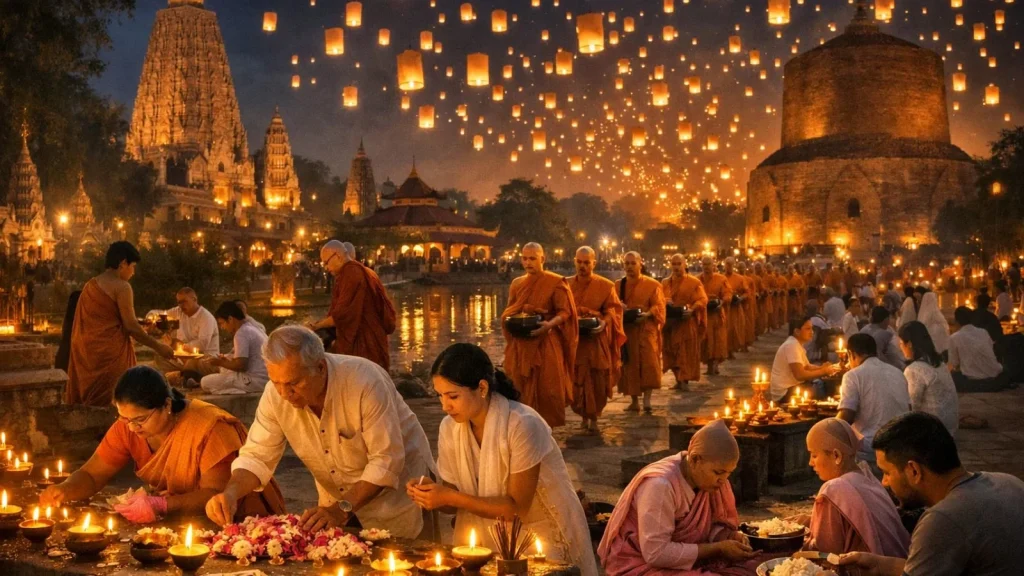
The Buddha Purnima rituals observed across different cultures are as diverse as they are deeply meaningful. In India, devotees visit monasteries and temples, offer flowers, incense, and butter lamps, and chant scriptures from the Pali canon.
In Sri Lanka and Thailand, vibrant processions of candlelit lanterns fill the streets after sunset, symbolising the spread of wisdom throughout the world. Many followers observe a strict vegetarian fast throughout the day.
Group meditation sessions, Dharma talks, and charity drives are also central to the celebration. Acts of merit, such as feeding the poor, releasing caged animals, and donating to the needy, are considered especially powerful on this day.
In cities like Bodh Gaya and Sarnath, mass gatherings of monks and lay practitioners create an atmosphere of rare spiritual intensity. Each ritual, however simple or grand, carries the same intention: to honour the light that the Buddha brought to this world.
Teachings of the Path: What the Buddha Really Wanted Us to Know:
At the heart of Buddha Purnima lies a timeless invitation to return to the teachings and let them transform your daily life. The Buddha did not ask us to worship him. He asked us to walk a path. The Four Noble Truths tell us that suffering is real, it has causes, it can end, and there is a way to end it.
That way is the Eightfold Path, a guide for living with right understanding, right intention, right speech, right action, right livelihood, right effort, right mindfulness, and right concentration. These are not abstract spiritual concepts; they are practical tools for everyday life.
Whether you are dealing with anxiety, grief, or a search for purpose, the Buddha’s teachings offer clarity and grounding.
Buddha Purnima is the perfect moment to revisit these teachings not as religious doctrine, but as a living guide to becoming more human.
Also Read: How Does The Summer Solstice Impact Your Life In 2026?
The True Buddha Purnima Benefits for Mind, Body, and Soul:
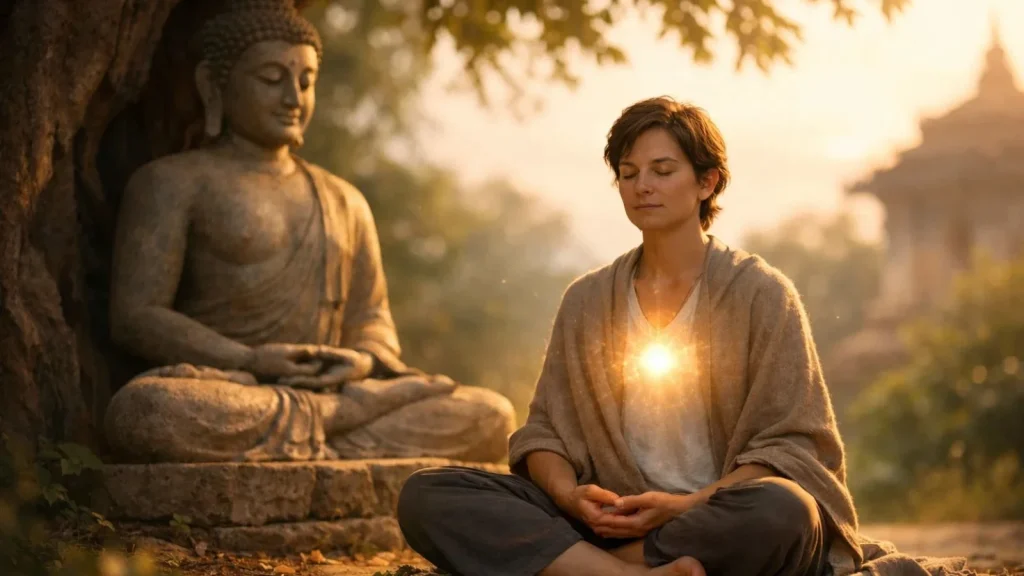
Beyond the ceremonies and rituals, the real Buddha Purnima benefits are felt deeply within. Observing this sacred day with sincerity is said to magnify the merit of one’s spiritual practice many times over. Meditating on Buddha Purnima, even for a short while, can bring a depth of stillness that is hard to access on ordinary days.
Fasting, chanting, and practising silence create a natural turning inward, helping you shed the noise of daily life and reconnect with what truly matters. Acts of giving performed on this day, offering food, time, or compassion, carry a powerful intention that ripples outward.
Many people who mindfully observe Buddha Purnima report a sense of inner clarity, lightness, and renewed purpose that stays with them long after the day ends. In essence, this day is not about celebration alone; it is about genuine transformation.
Deepen Your Spiritual Journey with AstroLive:
Buddha Purnima is one of the most powerful times of the year for spiritual reflection, and sometimes, we all need a little guidance to truly make the most of it. That’s where AstroLive comes in. AstroLive is a trusted digital platform that connects you with experienced astrologers, Vedic experts, and wellness practitioners from the comfort of your home.
Here’s what AstroLive offers:
- 💬 Chat with Astrologers at just ₹10/min
- 📞 Talk via Phone Call at ₹15/min
- 📅 Daily Horoscope, Panchang & Kundli Matching all in one place
- 📊 Free Reports, Sade Sati, Mangal Dosha, Numerology & more
- 🔮 Vedic Astrology, Tarot, Palmistry & Numerology experts available
- 🧘 Healing Services Meditation, Reiki, Yoga & Crystal Therapy
- 📲 First Consultation FREE on app download
This Buddha Purnima, let the stars guide your spiritual path. Visit AstroLive today.
Celebrating Buddha Purnima With True Intention:
You don’t need to be a Buddhist to observe this day with genuine meaning. The spirit of this sacred occasion is open to anyone willing to slow down and be fully present. Here are some simple yet powerful ways to make this day transformative:
- Meditate at dawn or under the full moon; the energy on this day is exceptionally calm and receptive.
- Practice Dana (the art of giving): donate food, offer your time, or simply be kinder than usual to those around you.
- Read a passage from the Dhammapada; even one verse can shift your perspective for the entire week.
- Spend time in nature, the Buddha found enlightenment beneath a tree; reconnecting with the earth is a quiet act of remembrance.
- Practice a few hours of silence, give your restless mind the gift of stillness.
Each small act, done with genuine awareness, carries the full spirit of Buddha Purnima within it.
Conclusion:
Buddha Purnima is not simply a date on the calendar. It is a doorway to self-awareness, compassion, and the quiet courage it takes to seek truth in a world that constantly pulls us away from stillness.
The Buddha’s journey from suffering to enlightenment mirrors, in many ways, the journey we are all on. As 2026 approaches, may this sacred day inspire you to pause, breathe deeply, and return to what truly matters: kindness, presence, and peace within.
FAQs:
Q1. What does Buddha Purnima celebrate?
Ans: It marks the birth, enlightenment, and Mahaparinirvana of Gautama Buddha all on the same full moon night in the month of Vaisakh.
Q2. Is Buddha Purnima a public holiday in India?
Ans: Yes, it is a gazetted public holiday observed across India.
Q3. Can non-Buddhists observe Buddha Purnima?
Ans: Yes, non-Buddhists can absolutely observe Buddha Purnima. The day celebrates universal values like mindfulness, compassion, and inner peace, which anyone can appreciate regardless of their religion.