



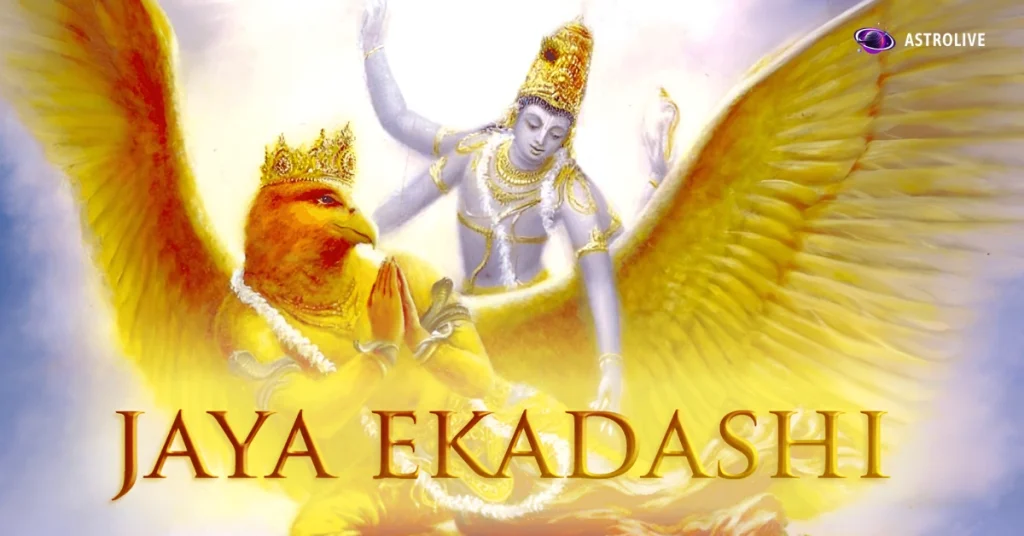
Among the many sacred observances in Sanatan Dharma, jaya ekadashi holds a deeply transformative place. Observed on the Ekadashi tithi of the Shukla Paksha in the month of Magha, this holy day is dedicated to Lord Vishnu and is believed to free devotees from past karmic burdens. Ancient scriptures describe this fast as a gateway to spiritual upliftment, self-discipline, and divine blessings.
Celebrated with devotion, fasting, and prayers, jaya ekadashi is more than a ritual. It is a reminder that sincere faith and disciplined living can liberate the soul. In this detailed guide, we explore its spiritual meaning, rituals & stories.
The Spiritual Essence Of Jaya Ekadashi
The observance of Jaya Ekadashi is associated with victory over negative tendencies, ignorance, and past sins. The word “Jaya” itself means victory, symbolizing triumph over material attachments and inner weaknesses. Devotees believe that fasting on this day helps cleanse the mind and soul, bringing clarity and peace.
This Ekadashi is particularly important for those seeking forgiveness, inner healing, and spiritual growth. Scriptures state that even the gravest sins can be dissolved through sincere observance and devotion on this sacred day.
What Is The Mythological Story Behind Jaya Ekadashi?
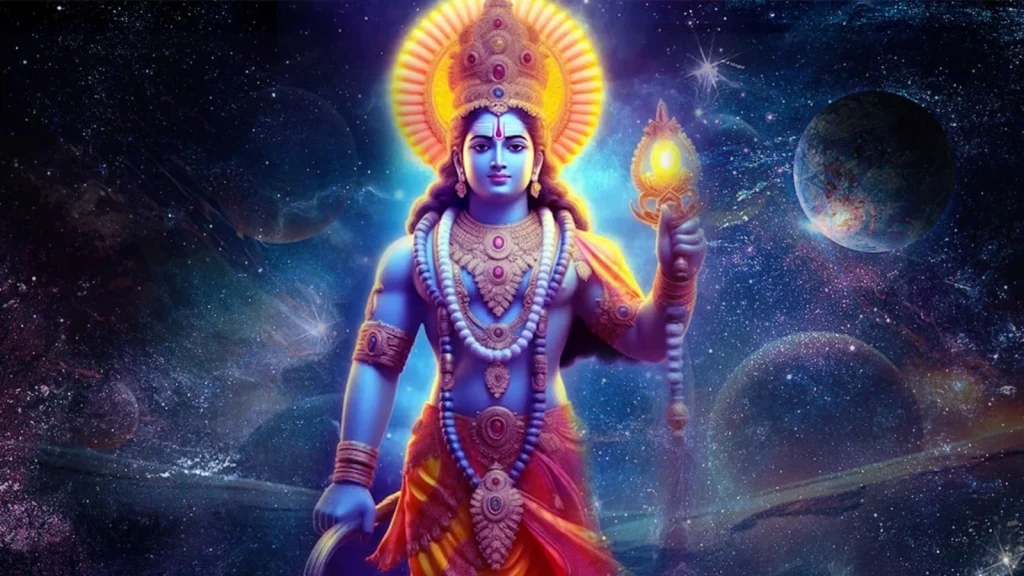
According to Hindu scriptures, the significance of this sacred Ekadashi was revealed by Lord Krishna to King Yudhishthira. The legend explains why Jaya Ekadashi is regarded as a powerful day for spiritual redemption and inner transformation.
Key highlights of the mythological story include:
Divine narration:
Lord Krishna described the glory of this Ekadashi while answering Yudhishthira’s questions about liberation and freedom from sins.
Fall of celestial beings:
Two Gandharvas lost their divine status due to arrogance and disrespect, showing how pride leads to spiritual downfall.
Power of the vrat:
Despite their fallen state, observing the Ekadashi fast with devotion helped them regain their celestial form.
Role of discipline and faith:
The story emphasizes that sincere fasting and devotion can dissolve even severe karmic burdens.
This sacred legend conveys a timeless lesson, arrogance and ignorance bind the soul, while humility, discipline, and devotion open the path to redemption. Even in modern life, this message inspires individuals to embrace spiritual values and self-awareness.
Also Read: Jaya Ekadashi 2025: Date, Time, Puja Vidhi, Significance, and Rules of Fasting
What Does The Jaya Ekadashi Vrat Katha Teach Us?
This vrat katha narrates the powerful story of two Gandharvas, Pushpadanta and Malyavan, who were cursed to become demons due to their disrespectful behavior in Lord Indra’s celestial court. Their fall highlights how arrogance can lead even divine beings toward suffering.
Key takeaways from this sacred katha include:
- Unintentional devotion: Despite living in a cursed state, they unknowingly observed the Ekadashi fast, showing that the power of this vrat works even beyond conscious effort.
- End of suffering: Their sincere observance freed them from the curse and restored their divine form.
- Spiritual redemption: The story proves that no soul remains trapped forever when devotion and discipline enter life.
The moral of the vrat katha is simple yet deeply meaningful, true liberation is always possible through sincere faith and repentance. Devotees are advised to observe this vrat on the correct Ekadashi tithi, which can be confirmed by checking daily Panchangs or Hindu calendars for accurate dates and timings.
Check Auspicious Timings With Today’s Panchang
How Does Jaya Ekadashi Ki Katha Explain Spiritual Transformation?
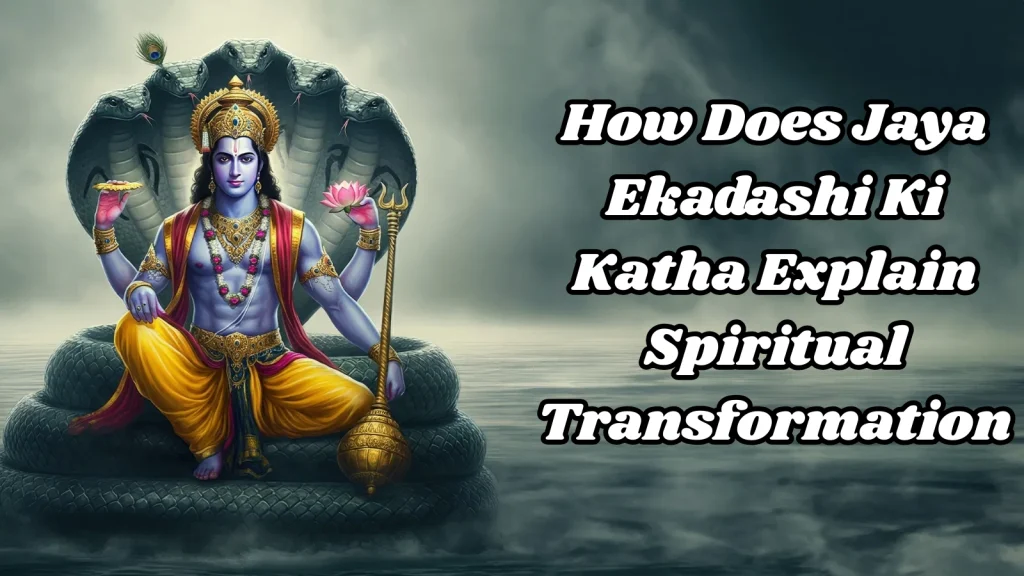
The Jaya Ekadashi ki katha clearly teaches that performing rituals alone does not lead to spiritual growth. True transformation begins with inner purity, sincere repentance, and complete devotion to Lord Vishnu. This sacred story explains that when the mind and heart align with faith, even simple observances become powerful tools for liberation.
The katha also highlights jaya ekadashi ka mahatva by explaining how this vrat helps devotees overcome ego, negative tendencies, and past karmic impressions. Observing the fast with discipline and humility strengthens self-control and spiritual awareness.
Listening to or reading this katha on the day of Ekadashi is considered highly beneficial because it:
- Deepens faith in Lord Vishnu
- Encourages mindful living and moral conduct
- Enhances devotion and emotional balance
- Strengthens the soul’s connection with divine energy
By understanding and following the teachings of this katha, devotees can experience inner peace, clarity, and a meaningful spiritual transformation.
What Are The Rituals And Fasting Guidelines For Jaya Ekadashi?
On Jaya Ekadashi, devotees perform a series of sacred rituals to honor Lord Vishnu and seek spiritual purification. These practices focus on devotion, discipline, and mindfulness, helping devotees connect deeply with divine energy.
Key rituals observed on this day include:
- Early morning preparation: Wake up during Brahma Muhurat and take a holy bath to purify both body and mind.
- Sankalp (vow): Take a sincere vow to observe the Ekadashi fast with faith, devotion, and self-control.
- Worship of Lord Vishnu: Offer flowers, tulsi leaves, fruits, incense, and light a ghee lamp before Lord Vishnu’s idol or image.
- Mantra chanting: Recite Vishnu Sahasranama and other sacred Vishnu mantras to maintain spiritual focus.
- Meditation and bhajans: Spend time meditating and singing devotional songs to strengthen divine connection.
- Jaya Ekadashi ki Aarti: Conclude the pooja by performing jaya ekadashi ki aarti , which enhances the spiritual atmosphere and fills the home with devotion and positivity.
- Fasting discipline: Some devotees observe a strict nirjala fast, while others consume fruits, milk, and vrat-friendly foods.
- Avoiding negativity: Maintain purity in thoughts, words, and actions; avoid anger and harsh speech.
- Parana on Dwadashi: Break the fast the next day after sunrise at the auspicious Parana time mentioned in the Panchang.
If you are unsure about the correct pooja vidhi, fasting rules, or Parana time, you can consult with astrologers at Astrolive. They can also guide you regarding your personalized guidelines and ensure your Jaya Ekadashi observance is performed in the most spiritually rewarding way.
How Astrolive Can Guide You On Jaya Ekadashi?

Observing sacred days correctly often requires guidance, especially when traditions vary across regions. Astrolive is a trusted platform where you can connect with experienced astrologers to understand the right pooja vidhi, fasting rules, and auspicious timings for Jaya Ekadashi.
Through Astrolive, you can:
- Talk to expert astrologers for personalized guidance
- Book online poojas conducted by learned pandits
- Get clarity on vrat rules and mantras
- Resolve spiritual or life-related concerns
Along with this, you can also consult with astrologers to learn about your karmic debts based on your Kundli reports. You’ll find meaningful guidance and practical remedies in one place, whether you’re facing delays in marriage, repeated challenges in relationships, obstacles in your career growth, financial instability, health-related concerns, or a general sense of imbalance in life.
Each consultation is designed to help you understand the root cause of these issues and take the right astrological steps toward long-term harmony and progress.
Spiritual And Karmic Benefits
Devotees believe that observing Jaya Ekadashi removes negative karmic imprints and brings divine protection. It is also said to grant peace to ancestors and harmony in family life. Many people observe this fast to seek relief from obstacles, mental stress, and recurring life problems.
Regular observance strengthens discipline, devotion, and spiritual awareness, making it a powerful practice for holistic well-being.
Why Is Jaya Ekadashi Relevant In Modern Times?
In today’s fast-paced world, filled with distractions, stress, and constant digital engagement, observing this vrat provides a valuable opportunity to pause, reflect, and reconnect with higher spiritual values.
Key modern-day benefits of observing this sacred fast include:
- Promotes self-discipline: Fasting and devotion help cultivate control over impulses and habits, improving focus and mental clarity.
- Encourages mindfulness: Spending time in prayer, meditation, and chanting Vishnu mantras fosters awareness and emotional balance.
- Enhances gratitude: Taking a day to reflect on blessings nurtures a positive mindset and inner contentment.
- Supports mental well-being: Disconnecting from daily stressors and focusing on spiritual practices reduces anxiety and promotes peace.
- Strengthens spiritual connection: Regular observance of Jaya Ekadashi reinforces faith, devotion, and a sense of purpose.
This sacred observance reminds us that true victory lies not in conquering the world, but in mastering oneself. In modern life, Jaya Ekadashi serves as a spiritual anchor, helping devotees achieve inner calm, discipline, and holistic well-being.

Conclusion
Jaya ekadashi is not merely a date on the calendar; it is a spiritual doorway to inner purity and liberation. By observing this Ekadashi with faith, discipline, and correct guidance, devotees can experience profound spiritual growth and peace.
With platforms like Astrolive making ancient wisdom accessible, following sacred traditions has become easier and more meaningful. Let this Ekadashi be your step toward spiritual victory, clarity, and divine blessings.
FAQs
1. On which date is Jaya Ekadashi observed each year?
Jaya Ekadashi is observed on the Ekadashi tithi of the Shukla Paksha in the Hindu month of Magha. The exact Gregorian date changes every year based on the lunar calendar, so devotees should check a Panchang for accurate timing.
2. Can beginners or first-time devotees observe this vrat?
Yes, beginners can easily observe the vrat. The fast can be customized based on one’s health and capacity. Even partial fasting with sincere devotion brings spiritual benefits.
3. What foods are allowed during Jaya Ekadashi fasting?
Devotees can consume fruits, milk, curd, nuts, and vrat-friendly foods like sabudana and water chestnut flour. Grains, pulses, rice, and non-vegetarian food should be strictly avoided.