



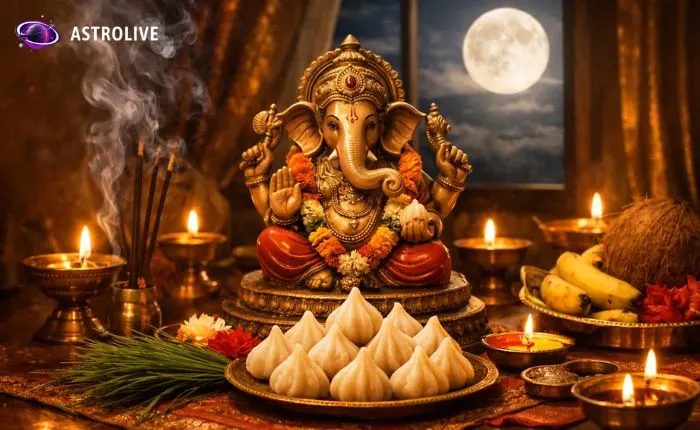
Sankashti Chaturthi Vrat is one of the most revered fasting observances dedicated to Lord Ganesha, the remover of obstacles and the harbinger of wisdom and prosperity. Observed every month on the Chaturthi tithi of Krishna Paksha (the waning phase of the moon), this sacred vrat holds deep spiritual and astrological importance for devotees across India.
The word Sankashti means “deliverance from difficulties,” while Chaturthi refers to the fourth day of the lunar fortnight. Together, Sankashti Chaturthi symbolizes the day when sincere devotion to Lord Ganesha helps devotees overcome challenges, both material and spiritual. People observe this vrat to seek relief from ongoing problems, gain clarity in decision-making, and invite peace and stability into their lives.
A key aspect of this observance is fasting from sunrise until moonrise, followed by offering prayers to Lord Ganesha and breaking the fast only after sighting the moon. This disciplined practice strengthens faith, patience, and self-control. Over time, Sankashti Chaturthi has become especially popular among those facing obstacles in career, education, marriage, or health.
In today’s fast-paced world, many devotees also rely on astrological tools to follow rituals accurately. Platforms like AstroLive help worshippers track moonrise timings and perform the vrat correctly, ensuring the spiritual essence of Sankashti Chaturthi remains intact despite busy schedules.
What Is Sankashti Chaturthi?
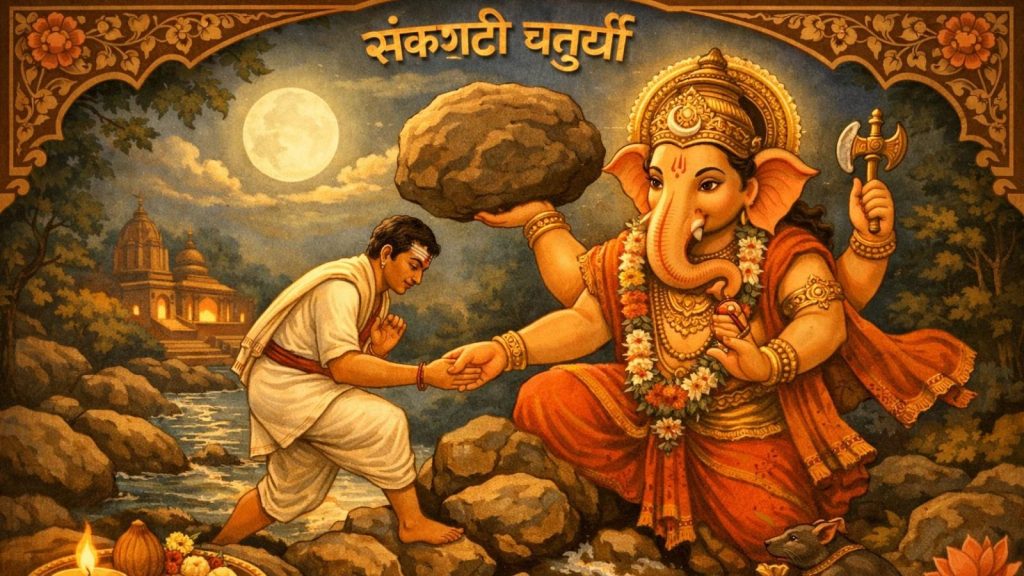
To understand the importance of this vrat, it is essential to clearly know what is Sankashti Chaturthi and why it is observed with such devotion. Sankashti Chaturthi is a monthly Hindu fasting day dedicated to Lord Ganesha and observed on the fourth lunar day (Chaturthi) of Krishna Paksha, which is the waning phase of the moon.
The term Sankashti is derived from Sanskrit and means “freedom from troubles” or “relief during difficult times.” Chaturthi refers to the fourth day after the full moon. Together, Sankashti Chaturthi represents a spiritually powerful day when devotees pray to Lord Ganesha to remove obstacles, clear negative energies, and guide them toward success and wisdom.
Unlike Vinayaka Chaturthi, which is celebrated during the waxing phase of the moon, Sankashti Chaturthi is observed every month and is more introspective in nature. Devotees focus on self-discipline, patience, and faith while observing a strict fast throughout the day. The fast is traditionally broken only after moonrise and performing Ganesh puja.
Each month’s Sankashti Chaturthi is associated with a unique name of Lord Ganesha and holds special significance. These variations emphasize different aspects of Ganesha’s divine energy, such as wisdom, leadership, protection, and prosperity. This is why many devotees believe that observing this vrat regularly brings long-term spiritual and material benefits.
In essence, Sankashti Chaturthi is not just a ritual but a practice that teaches perseverance, devotion, and trust in divine timing—values that are deeply relevant even in modern life.
Also Read,
Basant Panchami 2026: Complete Guide To The Festival Of Knowledge
When Is Sankashti Chaturthi Observed?
Many devotees often ask when is Sankashti Chaturthi and how its date is determined each month. Sankashti Chaturthi is observed on the fourth day (Chaturthi tithi) of Krishna Paksha, which falls after the full moon in the Hindu lunar calendar. Since it follows the lunar cycle, the date of this vrat changes every month according to the Gregorian calendar.
Unlike fixed-date festivals, Sankashti Chaturthi occurs once every lunar month, making it a regular spiritual observance for devotees of Lord Ganesha. Each month’s Sankashti Chaturthi is linked to a specific name of Ganesha and carries unique spiritual significance. This monthly rhythm allows devotees to reconnect with Lord Ganesha consistently and seek his blessings throughout the year.
An important aspect of this vrat is the timing of the moonrise. Devotees observe a day-long fast and break it only after sighting the moon and offering prayers. Because moonrise times vary by location, many people search for today Sankashti Chaturthi time to ensure they complete the rituals correctly. Accurate timing is considered essential for gaining the full spiritual benefits of the vrat.
In modern times, checking the correct tithi and moonrise has become easier with astrology-based platforms and calendars. Services like AstroLive help devotees stay informed about the exact Sankashti Chaturthi date and moonrise timings based on their location, ensuring that the observance is both precise and spiritually fulfilling.
Significance of Sankashti Chaturthi Vrat
The Chaturthi Vrat holds profound spiritual significance in Hindu tradition, especially for devotees of Lord Ganesha. It is believed that observing this vrat with sincerity and discipline helps remove obstacles, both visible and unseen, from one’s life. Lord Ganesha, known as Vighnaharta, blesses devotees with wisdom, clarity, and the strength to overcome challenges.
One of the key reasons Sankashti Chaturthi is considered powerful is its connection with the Moon, which represents the mind and emotions in astrology. By fasting and praying on this day, devotees aim to gain control over negative thoughts, stress, and emotional instability. The ritual of breaking the fast only after moonrise symbolizes patience, faith, and trust in divine timing.
Spiritually, Sankashti Chaturthi encourages self-discipline and devotion. The vrat is not merely about abstaining from food but about purifying the mind and focusing on prayers, mantras, and positive intentions. Many devotees believe that regular observance of this vrat brings success in education, career growth, harmony in relationships, and relief from long-standing problems.
Astrologically, Chaturthi is considered beneficial for those facing obstacles related to the Moon in their birth chart. Worshipping Lord Ganesha on this day is said to reduce mental stress, fear, and confusion, while enhancing inner strength and decision-making abilities. Over time, this sacred observance becomes a spiritual anchor that brings balance, resilience, and positivity into daily life.
Ganadhipa Sankashti Chaturthi Explained
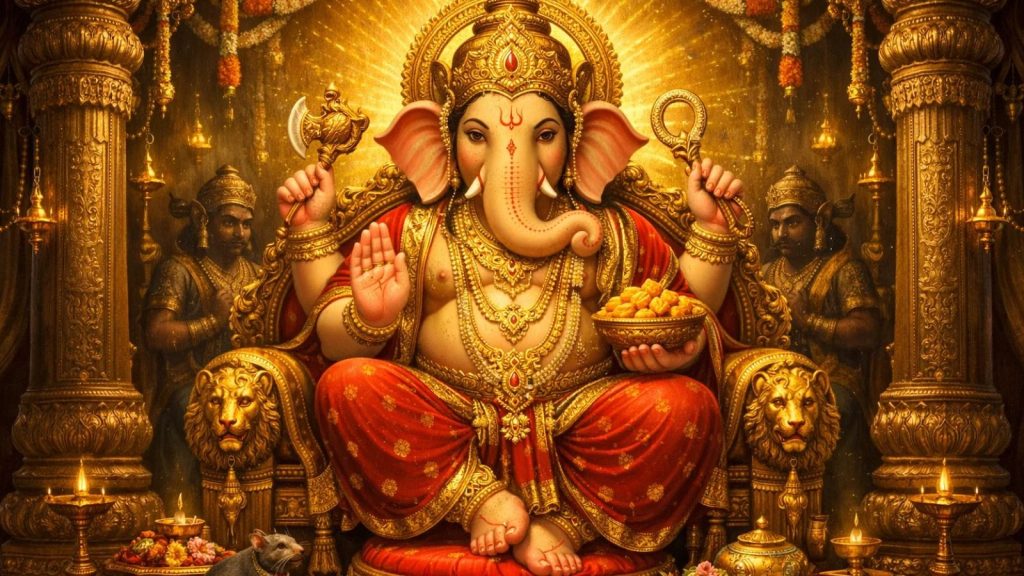
Ganadhipa Sankashti Chaturthi is a special monthly observance where Lord Ganesha is worshipped as Ganadhipa, meaning the leader of all ganas. This form of Ganesha represents authority, wisdom, and the ability to guide others through challenges. Devotees pray to Ganadhipa Ganesha to gain strength, clarity, and control over difficult situations.
Each Sankashti Chaturthi is associated with a specific name of Lord Ganesha, and Ganadhipa Sankashti Chaturthi highlights qualities related to leadership and decision-making. It is believed to be especially beneficial for those facing obstacles in their career, studies, or financial matters. Worshipping Ganesha in this form helps devotees build confidence and overcome fear or confusion.
The rituals followed on this day remain similar to other Sankashti observances. Devotees observe a fast from sunrise until moonrise, perform evening puja, chant Ganesha mantras, and break the fast after moon darshan. While the process is simple, the intention and devotion behind the vrat are considered most important.
Overall, Ganadhipa Sankashti Chaturthi reminds devotees that with faith, discipline, and wisdom, even the most complex obstacles can be overcome.
Also Read,
Sakat Chauth 2025: Dates, Puja Vidhi, Benefits & Vrat Katha

Rules and Fasting Guidelines for Sankashti Chaturthi
Observing the Chaturthi Vrat requires discipline, devotion, and adherence to certain traditional rules. The fast usually begins at sunrise and continues until the moonrise in the evening. During this period, devotees focus on prayer, meditation, and chanting Lord Ganesha’s mantras to maintain spiritual purity.
Devotees may choose different levels of fasting based on their health and capacity. Some observe a strict nirjala fast without food or water, while others consume fruits, milk, or light vrat-friendly foods. The key intention of the fast is self-control and devotion rather than physical hardship. Grains, pulses, and non-vegetarian food are strictly avoided on this day.
It is considered auspicious to wake up early, take a bath, and wear clean or traditional clothes before starting the vrat. Throughout the day, devotees are encouraged to avoid negative thoughts, harsh speech, and unnecessary distractions. Reading or listening to stories related to Lord Ganesha is also considered beneficial.
The fast is broken only after performing the evening puja and offering prayers to Lord Ganesha and the Moon. If moonrise is delayed or not visible due to weather, devotees may rely on local timings provided by trusted astrology sources to complete the ritual correctly.
How to Do Sankashti Chaturthi Puja (Step-by-Step)
Understanding how to do Sankashti Chaturthi puja properly helps devotees observe the vrat with confidence and devotion. The puja is usually performed in the evening, just before moonrise, after maintaining the fast throughout the day.
Begin by cleaning the puja area and placing an idol or image of Lord Ganesha on a clean platform. Light a diya and incense sticks to create a peaceful atmosphere. Offer fresh flowers, durva grass, and modak or any sweet that Lord Ganesha loves. These offerings symbolize purity, devotion, and gratitude.
Next, chant Ganesha mantras such as “Om Gan Ganapataye Namah” or any Sankashti Chaturthi-specific mantra with full concentration. Some devotees also read or listen to the Sankashti Chaturthi vrat katha to understand the spiritual significance of the day. Maintaining a calm and focused mind during the puja is considered essential.
After completing the Ganesh puja, wait for the moonrise. Once the moon is visible, offer water, flowers, or rice to the Moon and seek blessings. Only after moon darshan and prayers should the fast be broken. This step-by-step approach ensures the vrat is performed correctly and brings peace, clarity, and positive energy into the devotee’s life.
Sankashti Chaturthi Puja Vidhi at Home
The Sankashti Chaturthi puja vidhi can be performed easily at home, even by those with busy schedules. The essence of the ritual lies in devotion and sincerity rather than elaborate arrangements. A simple and focused puja is considered equally powerful.
Start by cleansing the puja space and placing a Lord Ganesha idol or picture on a clean surface. Light a diya and incense to purify the surroundings. Offer flowers, durva grass, and a sweet such as modak, peda, or fruits as naivedya. These offerings are symbolic expressions of faith and gratitude toward Lord Ganesha.
Chanting Ganesha mantras during the puja helps create a positive spiritual atmosphere. Devotees may recite “Om Gan Ganapataye Namah” or other traditional Ganesha stotras. Spending a few moments in silent prayer or meditation after chanting is believed to strengthen the spiritual impact of the vrat.
After completing the puja, devotees wait for moonrise and perform moon darshan. Water is offered to the Moon while seeking blessings for peace of mind and freedom from obstacles. Once this ritual is complete, the fast is broken with light, sattvic food. This simple home-based puja vidhi allows devotees to observe Sankashti Chaturthi with ease and devotion.
How AstroLive Helps You Observe Sankashti Chaturthi

Observing Sankashti Chaturthi correctly requires accurate tithi and moonrise timings, which vary by location. AstroLive makes this effortless by providing precise Sankashti Chaturthi dates, moonrise timings, and vrat guidelines tailored to your area, ensuring you perform rituals at the right moment.
But AstroLive is more than just a panchang platform. You can consult expert astrologers, receive personalized insights, and discover the most effective ways to enhance your health, relationships, and overall life. Whether you are new to the vrat or a regular devotee, AstroLive helps you follow puja vidhi with confidence while understanding how your observances can bring meaningful benefits based on your birth chart.
Moonrise Importance on Sankashti Chaturthi
Moon darshan is essential on Sankashti Chaturthi, as the fast is broken only after sighting the Moon. The Moon represents the mind, and offering prayers helps reduce mental stress and negativity. Checking today Sankashti Chaturthi time ensures the ritual is completed correctly.
Conclusion
Sankashti Chaturthi Vrat is a powerful practice to seek Lord Ganesha’s blessings for obstacle removal and mental peace. With accurate timings and guidance from AstroLive, devotees can observe this sacred vrat with ease and confidence.
FAQs
Q1: Who should observe Sankashti Chaturthi?
A: Sankashti Chaturthi is observed by anyone seeking the blessings of Lord Ganesha, especially those looking to remove obstacles, improve focus, or attain spiritual growth. Devotion and sincerity matter more than age or gender.
Q2: Is it necessary to fast the whole day?
A: While many observe a strict fast from sunrise to moonrise, some follow a partial fast or have fruits, milk, or light food. The key is devotion and dedication, not the strictness of food restrictions.
Q3: Can I observe Sankashti Chaturthi if I am traveling?
A: Yes, devotion can be observed anywhere. You can chant Ganesh mantras, perform prayers, or follow the fast according to your convenience and local moonrise time.