



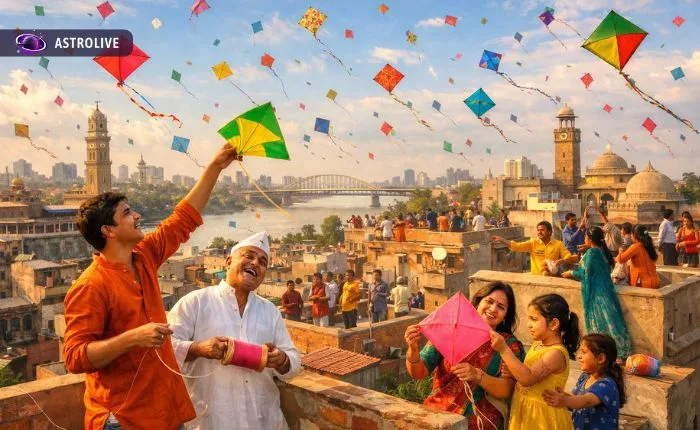
If you’ve ever seen the sky painted with thousands of colorful kites dancing in the wind, you’ve likely witnessed the magic of Uttarayan. This spectacular festival transforms Gujarat’s skyline into a vibrant canvas every January, bringing communities together in celebration of tradition, culture, and joy. Whether you’re a first-timer or planning to experience this incredible event, understanding its essence will help you make the most of your celebration.
The festival marks one of India’s most cherished traditions, where people of all ages take to their rooftops with kites, strings, and endless enthusiasm. From dawn to dusk, the air buzzes with excitement as participants engage in friendly kite-flying competitions, share traditional delicacies, and create memories that last a lifetime.
What is Uttarayan?
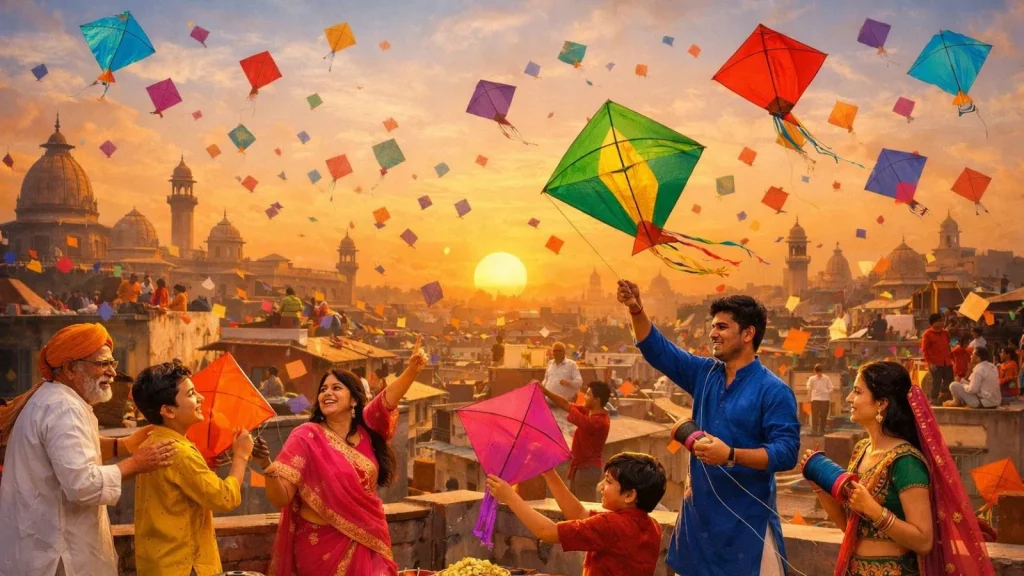
Uttarayan is a significant Hindu festival celebrated primarily in Gujarat, though its influence extends across India. The term literally means “the movement towards the north” and refers to the sun’s northward journey. This astronomical event holds deep spiritual meaning in Hindu culture, symbolizing the transition from darkness to light, ignorance to knowledge.
The Uttarayan festival is observed on January 14th each year, coinciding with Makar Sankranti in other parts of India. However, in Gujarat, the celebration extends for two days, with the second day known as Vasi Uttarayan. During this time, entire cities come alive with the sound of drums, laughter, and the distinctive calls of “Kai Po Che!” echoing from rooftops.
Why Uttarayan is Celebrated?
Understanding why Uttarayan is celebrated requires diving into both astronomical and cultural significance. According to Hindu mythology and astronomy, this day marks the beginning of the sun’s six-month-long journey northwards (Uttarayana), which is considered highly auspicious.
The festival celebrates the end of winter and the beginning of the harvest season. For agricultural communities, this transition represents prosperity and abundance. The sun’s movement into Capricorn (Makar) signifies longer days and warmer weather, which farmers view as favorable for their crops.
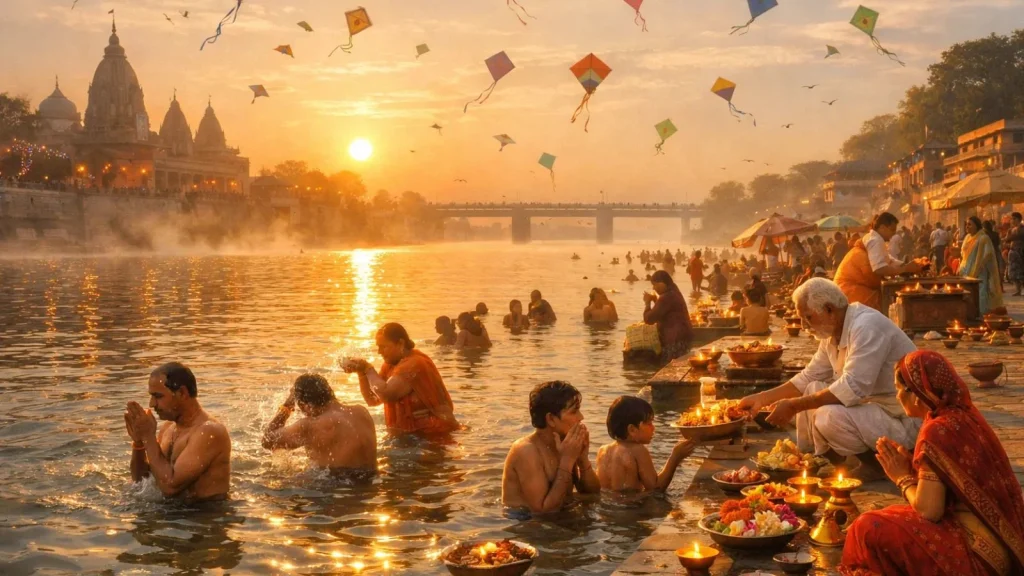
Beyond agricultural importance, the day holds spiritual value. Taking a holy dip in sacred rivers like the Ganges or Sabarmati is believed to cleanse one’s sins and bring merit. Many people also perform charitable acts, donate to the needy, and engage in prayers and rituals to honor their ancestors.
The kite-flying tradition itself carries symbolic meaning. As kites soar higher into the sky, they represent the human spirit’s aspiration to reach greater heights. The activity also serves as a metaphor for cutting away negativity and embracing positivity, much like cutting an opponent’s kite string.
Check Auspicious Timings With Today’s Panchang
Essential Preparations for Your First Experience:
Planning makes all the difference when attending your first celebration. Here’s what you need to prepare:
1. Location Selection:
Choose your spot wisely. Rooftops are traditional venues, offering unobstructed views and space. If you’re visiting Gujarat, head to Ahmedabad, Surat, or Vadodara, where celebrations are most vibrant. Book accommodations early, as hotels fill up quickly around the Uttarayan date.
2. Kite and String Shopping:
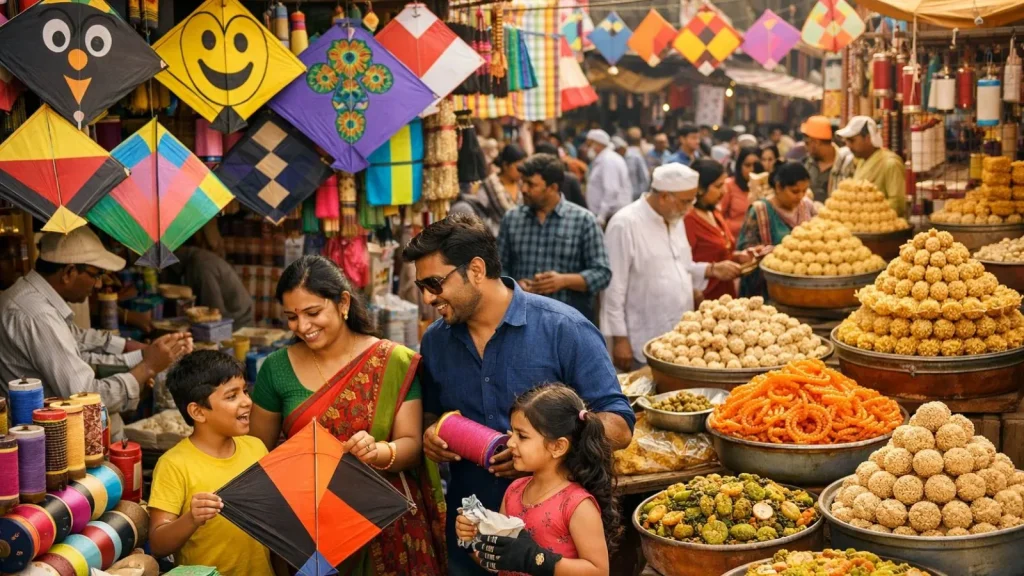
Visit local markets a few days before January 14th to purchase kites (patang) and string (manja). You’ll find kites in every imaginable color, size, and design. Traditional paper kites work best for beginners. Buy extra supplies, as kites often get cut or damaged during competitions.
3. Safety Gear:
Protect your hands with gloves or finger guards, as the string can cause cuts. Wear comfortable clothing and closed-toe shoes. Keep a first-aid kit handy with bandages and antiseptic.
4. Food Arrangements:
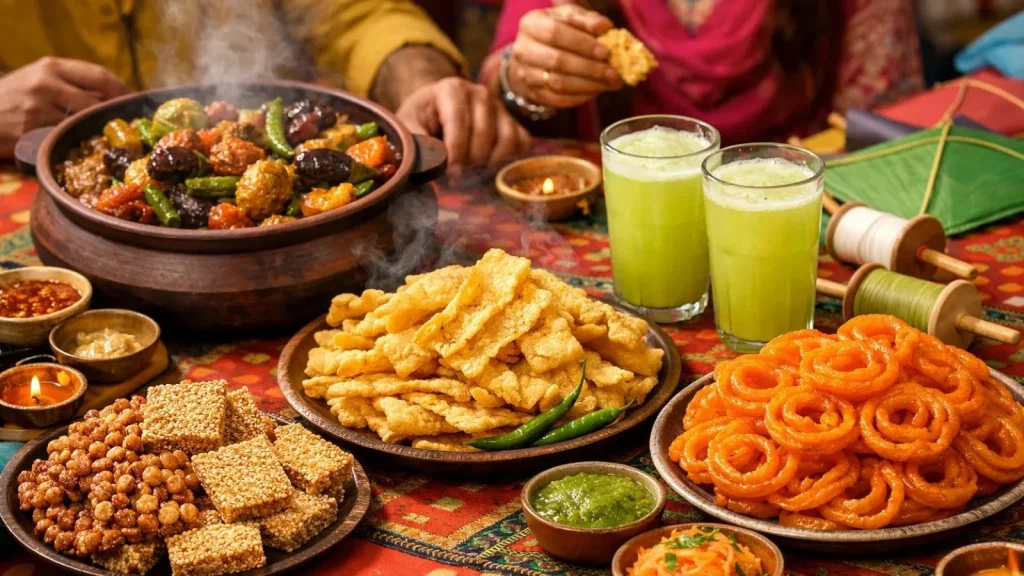
Stock up on traditional snacks like undhiyu, jalebi, chikkis made from sesame and peanuts, and til ladoos. These foods are not just delicious but also provide warmth and energy during the outdoor celebration.
Traditional Foods and Their Significance:
No celebration is complete without authentic cuisine. The food served during this time has both nutritional and symbolic importance.
Til (sesame seeds) and jaggery preparations dominate the menu. These ingredients generate body heat, perfect for the winter season. Undhiyu, a mixed vegetable dish cooked with spices, is a festival specialty. Made with seasonal vegetables like sweet potatoes, eggplant, and green beans, it represents the harvest bounty.
Chikkis made from peanuts and sesame provide quick energy for the day-long rooftop activities. Fresh jalebis paired with hot fafda create an iconic breakfast combination that participants eagerly await each year.
Don’t forget to prepare or buy fresh sugarcane juice and traditional sweet dishes. The communal aspect of sharing food strengthens bonds between family members and neighbors, making the festival even more special.
Also Read: Pongal 2026: How To Celebrate Traditions & Customs
Kite Flying Basics for Beginners:
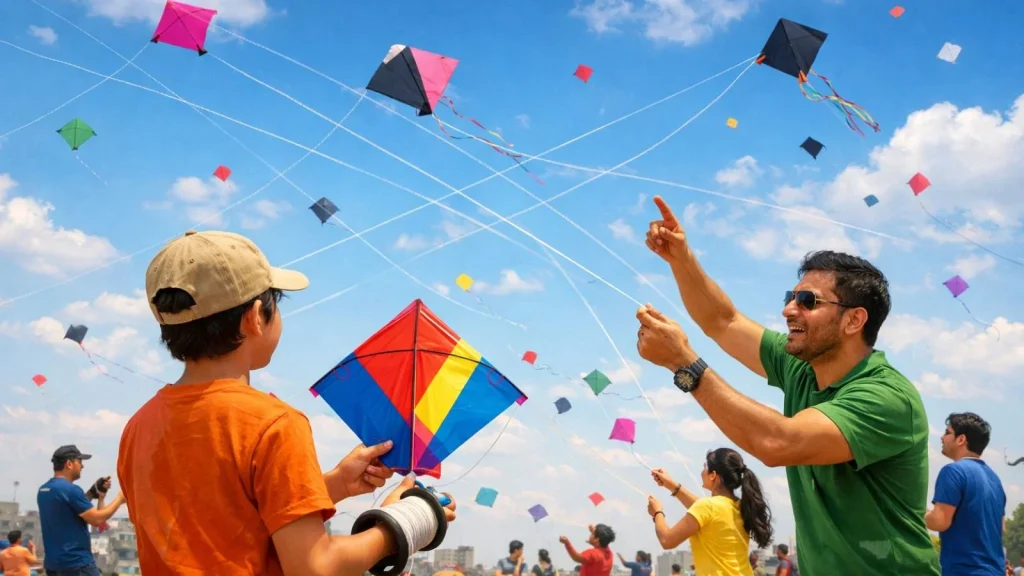
If you’ve never flown a kite before, don’t worry. The basics are simple, though mastery takes practice.
Hold the spool (firki) in one hand and the kite in the other. Face the wind and allow it to lift your kite naturally. Release the string gradually as the kite climbs higher. To maneuver, pull the string quickly to make the kite dive or release it to let the kite rise.
The real art lies in kite fighting,patangbazi. This involves cutting your opponent’s kite by skillfully maneuvering your string to cross theirs. When you successfully cut someone’s kite, shout “Kai Po Che!” which roughly translates to “I’ve cut it!”
Watch experienced flyers to learn techniques. They’ll show you how to handle sudden wind changes, recover a diving kite, and position your string for the best cutting angle. Remember, patience and persistence are key.
Also Read: Makar Sankranti: Know the Date, Time, and Significance
Finding Auspicious Timing with AstroLive:
While the festival date is fixed, knowing the most auspicious moments can enhance your spiritual experience. This is where platforms like AstroLive become invaluable for modern celebrants seeking traditional wisdom.
AstroLive connects you with Experienced Astrologers who can provide personalized guidance for the festival. They can tell you the best muhurat (auspicious time) for taking your holy bath, performing pujas, or starting important activities during the celebration. For those interested in the deeper spiritual aspects, astrologers explain how the sun’s transition affects your zodiac sign and what it means for the coming months.
The platform’s convenience allows you to consult experts from anywhere, making it perfect for those celebrating away from home or experiencing the festival for the first time. You can ask questions about rituals, understand the significance of specific traditions, or even get guidance on charitable activities that align with your birth chart.
Many users find that combining traditional celebrations with astrological insights creates a more meaningful experience. Whether you’re curious about the festival’s impact on your personal life or want to ensure you’re observing traditions correctly, having expert guidance makes everything smoother and more enriching.
Beyond Kite Flying: Other Celebrations:
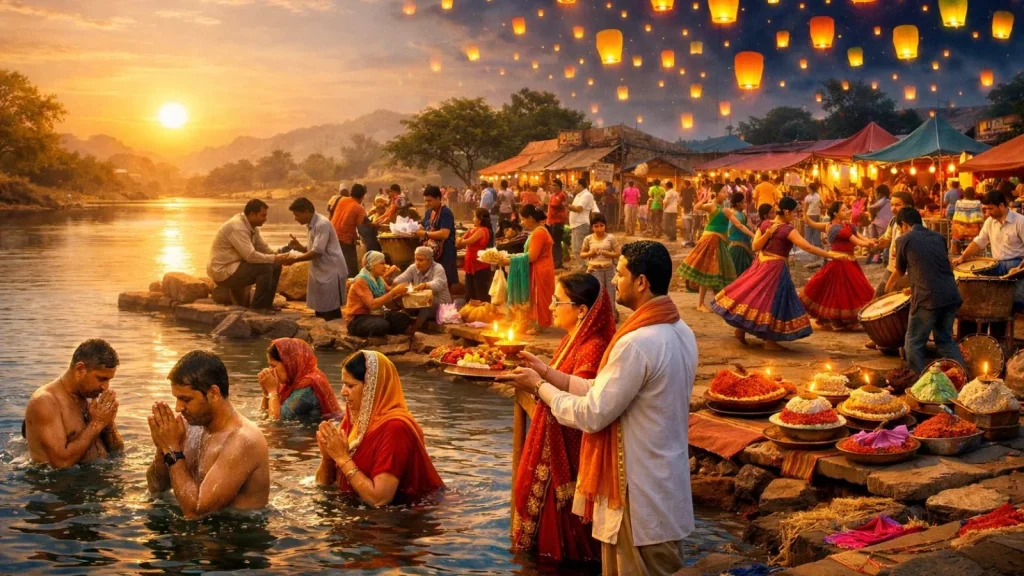
While kite flying dominates the festivities, several other activities mark the occasion. Many people begin the day with an early morning holy bath in rivers or at home, followed by prayers and offerings to the sun god.
Charitable activities form an important part of the celebration. Donating food, clothes, or money to those in need is considered highly auspicious. Many communities organize mass feedings and distribute warm clothing to the less fortunate.
Cultural programs featuring folk dances like Garba and traditional music performances happen throughout the day. Markets buzz with activity as vendors sell kites, local handicrafts, and festive foods. In urban areas, kite festivals often include competitions with prizes for various categories like highest flying kite, most unique design, or best decorated rooftop.
The evening brings a different charm as illuminated kites (tukkals) light up the night sky. These special kites fitted with small lamps create a mesmerizing spectacle, marking the perfect end to a celebratory day.

Conclusion:
Experiencing your first celebration is an unforgettable journey into Indian culture and tradition. From the thrill of flying kites to savoring traditional delicacies and connecting with communities, every moment offers something special. Remember to plan, respect local customs, stay safe, and most importantly, immerse yourself fully in the joyous atmosphere. Whether you’re cutting kites on a rooftop or simply watching the colorful spectacle unfold, this festival will leave you with cherished memories and a deeper appreciation for India’s rich cultural heritage.
FAQ’s:
Q1: When is the Uttarayan date in 2026?
Ans: The festival will be celebrated on January 14, 2026, with festivities continuing into January 15 (Vasi Uttarayan).
Q2: Can tourists participate in the celebrations?
Ans: Absolutely! Visitors are warmly welcomed. Many hotels and cultural organizations in Gujarat arrange special rooftop events for tourists.
Q3: Is kite flying allowed throughout the day?
Ans: Yes, people fly kites from early morning until late evening. The most intense activity occurs during daylight hours.
Q4: What should I wear for rooftop celebrations?
Ans: Wear comfortable, modest clothing suitable for outdoor activities. Flat shoes, sun protection, and gloves are recommended.