




Your daily horoscope and panchang are the twin tools that turn career planning into timed action in 2026. The daily horoscope gives the “why,” and the panchang gives the “when,” so you stop guessing and start planning. Download free app today →. Moreover, you can turn big dates, like appraisals, tenders, or a store opening, into planned bets instead of leaps of faith.
Astrolive brings both streams together every day. It is trusted by millions for accurate astrology tools, and it gives you direct access to verified astrologers with user ratings. As a result, you can read, check the timing, and speak to a specialist without hopping between apps or waiting for email replies. When your daily horoscope and panchang sit side by side, every important decision gets both context and a clock.
Think of the daily horoscope as your strategy memo and the panchang as your calendar invite with the best 45–90 minute slot already circled.
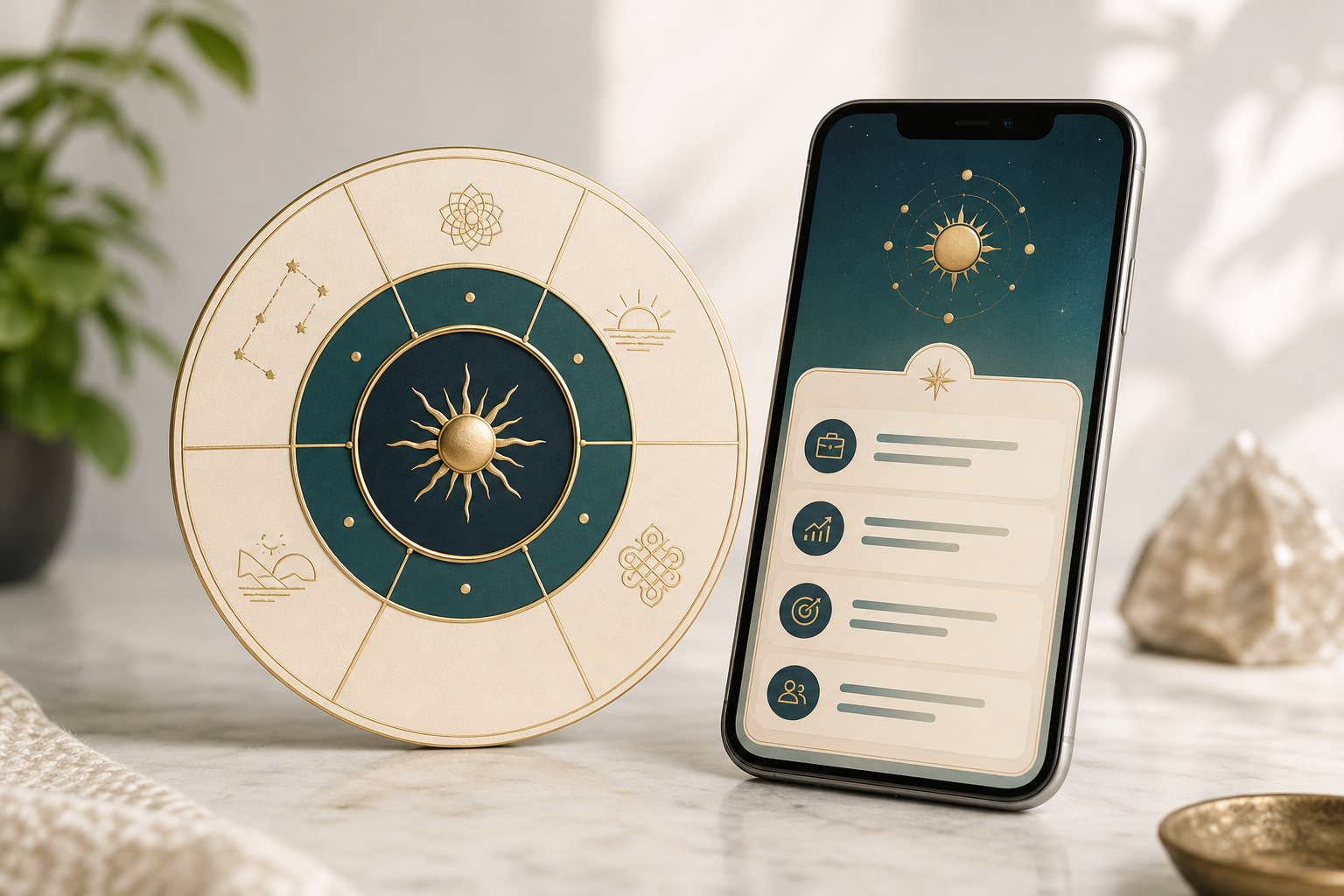
A quick 2026 snapshot for career timing
- 2026 is busy with meaningful Mercury and Saturn moments; plan paperwork and reviews with cleaner mid-morning windows where possible.
- Use your daily horoscope and panchang together: horoscope for direction (what/why), panchang for execution (when/how long).
- Even on “mixed” days, a curated 45–90 minute muhurat can outperform an entire “good” day booked at random.
- Keep a buffer: add 10 minutes pre/post to absorb overruns or tech checks without leaving the shubh window.
- Note Jupiter’s shifts for mentorship and learning cycles; consider course enrollments during clean Mercury–Jupiter support windows.
- Watch Mars transits for negotiations and assertive asks; direct but balanced energy lands better in clarity-leaning nakshatras.
- Retrogrades don’t stop success; they just reward documentation, double-checks, and choosing steadier yog periods.
Why Career Decisions Feel Overwhelming Without the Right Guidance
Career moves stack risk. One manager’s note can change your rating. One date can make or break a seed round. Yet generic horoscopes talk in broad strokes about “opportunity” or “challenge” without telling you which hour suits an interview or what to avoid on a harsh tithi. That gap feeds anxiety because your plan has no clock.
Moreover, you don’t just need a good day. You need the right window. Panchang shows the texture of a day. For example, a favorable nakshatra may support clear speech, but an inauspicious yog could blur focus. Without this nuance, you may schedule a review during a rough period and walk out wondering why the conversation felt off.
- Quick tells that timing, not talent, tripped you:
- Calls feel rushed despite prep, as if you’re “out of sync.
- The other side misreads tone or asks for repeats more than usual.
- Tech glitches cluster in one stretch and vanish an hour later.
- Negotiations loop without landing numbers; clarity returns post-shift.
On the other hand, your birth chart explains your career arc: the 10th house, the strength of Saturn, and dasha-bhukti periods. But transits and the panchang tell you when to take a step. If you mix both, you can choose a route and a time. Without that mix, you lean on hope.
As a result, many people treat astrology like a feel-good filter. It soothes, but it doesn’t guide. The fix is simple: use your daily horoscope for direction, then use panchang to time action. In short, the daily horoscope and panchang together turn a guess into a plan.
Pull this forward: “Right plan, wrong hour” is the easiest mistake to fix with panchang—shift by 30–60 minutes and watch tone and traction improve.
The gap between “good day” and “good hour”
-
A “good day” can still have 2–3 rough patches due to yog or karan shifts.
-
Team availability often pushes you into suboptimal hours unless you propose a window.
-
Interviews need clarity and calm more than hype; 30–60 minutes can change tone and outcomes.
-
Shifting an appraisal talk from a pressured slot into a smoother muhurat can save months of repair.
-
Interviews need clear speech and calm focus.
-
Promotions need steady support from Saturn and the 10th house.
-
Launches need auspicious muhurat with strong nakshatra backing.

What to Look for in a Daily Horoscope and Panchang for Career Use
If you want real help with work choices, you need more than a one-line fortune. First, the tool must explain sign-specific career trends in plain words. Second, it must show accurate tithi, nakshatra, yog, and karan data for the day.
Finally, it should mark muhurat windows for tasks like interviews, reviews, tender filings, or LLC registrations. When a platform blends all three, you can plan with confidence instead of guesswork. Put simply, your daily horoscope and panchang should work like a calendar, a compass, and a coach.
- Helpful UI cues that speed decisions:
- A “Career” tag or filter on today’s horoscope card.
- Color-coded shubh windows versus caution periods.
- One-tap city change for travelers and remote teams.
- Notes when nakshatra/karan shift during your scheduled block.
The base layer: accurate panchang
For the base layer, look for a daily panchang with details on tithi, nakshatra, yog, and karan. These five limbs, known as the panchang, describe how the day “behaves.” For a primer on these terms, see the background on the Hindu calendar at Wikipedia’s Panchangam page. While each element has rich lore, you mainly need to know what supports speech, leadership, travel, filings, and money talks.
Core Panchang Elements You’ll Use
- Tithi: lunar day; sets tone for growth, closure, or balance.
- Nakshatra: lunar mansion; ties to skills like speech, detail, or drive.
- Yog: combination of Sun–Moon positions; shapes ease or friction.
- Karan: half-tithi; fine-tunes the “feel” of a time block.
- Var (weekday): supports themes like duty (Saturday) or deals (Wednesday).
Tool must combine three layers
- Plain-language, sign-specific daily horoscope with a clear “career” focus tag.
- Panchang with tithi, nakshatra, yog, karan, and var, computed to your exact location and timezone.
- Action mapping that translates timings into muhurat blocks for practical tasks (interviews, filings, demos, negotiations).
Action mapping: muhurat by task
- Interviews: favor nakshatras linked to clarity and diplomacy; avoid heavy Rahu Kaal blocks.
- Performance reviews: pick balanced tithis and gentle yog; a mid-morning muhurat often steadies tone.
- Contract signatures and filings: look for shubh periods with supportive karan; late afternoon can help methodical work.
- Pitches or demos: choose a driven nakshatra and a clean window free of inauspicious yog; ensure Mercury is not under acute stress by transit.
Pro tip: Even on a “mixed” day, a well-chosen 45–90 minute muhurat can outperform an entire “good” day scheduled at random.
Next, look for auspicious and inauspicious timings for various activities. Good tools mark Rahu Kaal and Gulika for caution and list shubh muhurat windows for common work tasks. For example, a morning slot may favor clear talks, while a late-afternoon slot helps filings or contract review. Therefore, a timing line that maps to specific actions saves you from forcing big moments into dull hours.
Personalization and language clarity
Finally, the insights should be personal. Personalized insights based on planetary alignments matter because your Saturn return, Mercury strength, or dasha shifts make one person ripe for a switch and another better off polishing a resume. In addition, make sure you can switch languages. If you think in Hindi, Tamil, Bengali, or Gujarati, you deserve clarity in your own words. If a platform meets these checks, it is ready for career use, and your daily horoscope and panchang become tools, not toys.
Accuracy checklist for 2026 planning
- Location precision: city-level latitude/longitude to compute sunrise, Rahu Kaal, and local muhurat correctly.
- Time standards: verified timezone handling, including daylight saving for global users; IST reference clearly shown.
- Ayanamsa clarity: Vedic calculations (e. g., Lahiri) stated up front so readings are consistent with your expectations.
- Transit refresh: daily updates with intra-day changes when nakshatra or karan shifts mid-meeting.
- Notes on exceptions: flags for eclipses, Sankranti, and retrogrades that can color negotiations or filings.
- Data lineage: a note on ephemeris sources and versioning so you know how timing is computed.
Also Read!
How to Use Daily Horoscope and Panchang for Career Guidance
Astrolive vs Astrosage for Career Guidance: Which Is Better for Daily Horoscope and Panchang?
How Astrolive Delivers Career-Focused Horoscope and Panchang Insights
Astrolive is built for real-life choices at work. Each morning, you’ll see daily horoscopes for all zodiac signs that focus on action, not fluff. The copy points to career themes, networking, negotiation, upskilling, and flags caution days with workable tips. You get context you can use in five minutes, not riddles.
“The daily cards read like briefings—clear, specific, and timed. I don’t have to decode anything; I just slot my tasks.” — Product Manager, Pune
Alongside that, the app publishes a daily panchang with details on tithi, nakshatra, yog, and karan. It also highlights auspicious and inauspicious timings for various activities. So, if a recruiter proposes 11:30 a. , you can see if a better slot sits at 12:20 p.
m. You’re not superstitious, you’re scheduled. With the daily horoscope and panchang in one place, you can pick your moment and protect your momentum.
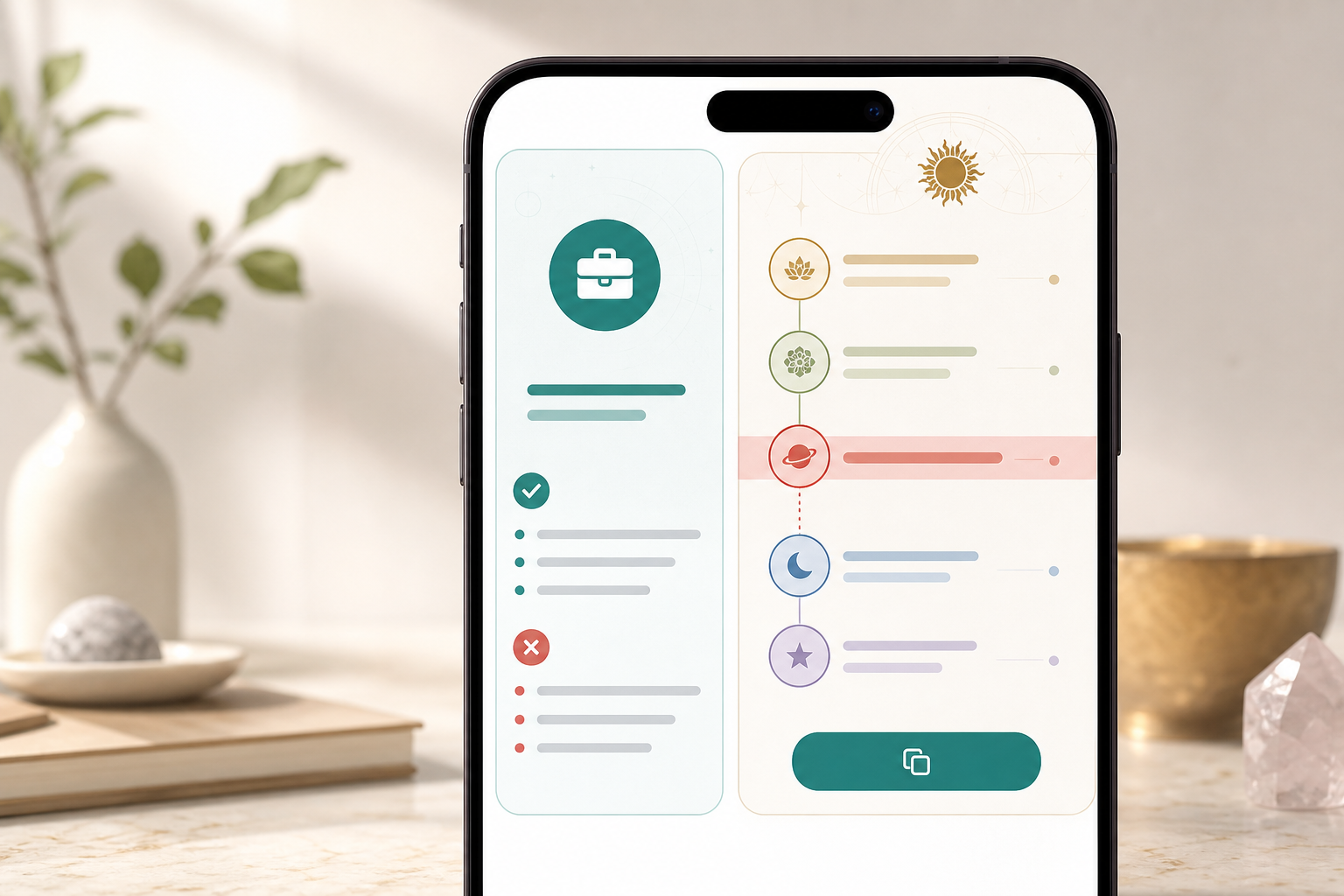
Talk to a specialist in minutes
Moreover, when a day looks complex, you can talk to a human expert. You can chat with an astrologer at ₹10/min or talk on a call at ₹15/min. If you need a classic Vedic reading, Vedic consultations are ₹14/min. Experienced astrologers are available for live chat and calls with ratings provided, so you can choose a specialist in Vedic, KP, Numerology, Tarot, Vastu, or Lal Kitab. This lets you confirm a muhurat, script an email, or rehearse a negotiation with guidance rooted in your chart.
“I consulted for a career-related query, and the guidance I received was spot on.” — Rajesh Kumar, Delhi
Under-the-hood accuracy that shows up in results
Under the hood, advanced Kundli software calculates planetary positions, houses, doshas, and yogas. That engine anchors every answer. For example, if your 10th lord sits strong but Mercury is in a rough transit, the expert may suggest a later muhurat for the pitch but an early slot for paperwork. As a result, you avoid blunt “good day/bad day” labels and work with fine detail. The blend of sign trends, personalized Kundli context, and day-specific panchang timing is what turns advice into a checklist you can execute.
- What the engine considers:
- Your ascendant and 10th/6th/2nd house strength for career, work, and income.
- Current planetary transits touching Mercury, Saturn, Jupiter, and Mars.
- Dasha–bhukti periods that modify opportunity and pressure.
- The day’s tithi–nakshatra–yog–karan to pinpoint smoother hours.
Furthermore, you can generate a free and instant Janam Kundli using your date, time, and place of birth. If you want to keep records, your Kundli can be downloaded as a PDF with detailed reports. Pair that report with the day’s timing, and you’ll know not only what to aim for, but when to act. In short, your daily horoscope and panchang insights become a repeatable method you can apply all year.
- Data integrity safeguards you’ll notice:
- City-aware sunrise and Rahu Kaal calculations for accurate local muhurat.
- Clear ayanamsa labeling (e. g., Lahiri) for Vedic consistency.
- Transparent handling of retrogrades, combustions, eclipses, and Sankranti.
See the flow in four screens
 onboarding screen for entering birth details, 2) daily horoscope with a “Career” tag and action tips, 3) panchang with shubh periods highlighted and Rahu Kaal marked, 4) chat and call buttons with ₹ pricing and language filters; neutral branding, clean layout)
-
- Onboarding: enter birth details to generate a precise free Janam Kundli.
-
- Read: open the daily horoscope and tap the “Career” tag for work-focused guidance.
-
- Time: scan the panchang and pick a shubh window mapped to your task.
-
- Talk: start a chat (₹10/min) or call (₹15/min) with a rated expert; filter by language and system (Vedic, KP, etc.).
Real-world use cases you can model
- Interview reschedule: the app flags a cleaner window after a yog shift; you nudge HR by 40 minutes and land a calmer panel.
- Negotiation pacing: a tough tithi suggests splitting asks; you use the morning for rapport and the mid-day shubh muhurat for money talk.
- Campus hire day: Mercury under strain? You lean on structured scripts, choose a clarity-boosting nakshatra, and avoid Rahu Kaal for final decisions.
- Startup filings: pick a supportive karan for methodical work; you submit during a shubh window and reserve the rough hour for internal checklists.
- Board update: choose a balanced tithi and an ease-oriented yog; use the window for the live readout and park Q&A spillover afterward.
- Client renewal: sequence goodwill in the first clean slot and pricing in the second; document outcomes in writing during the same shubh band.
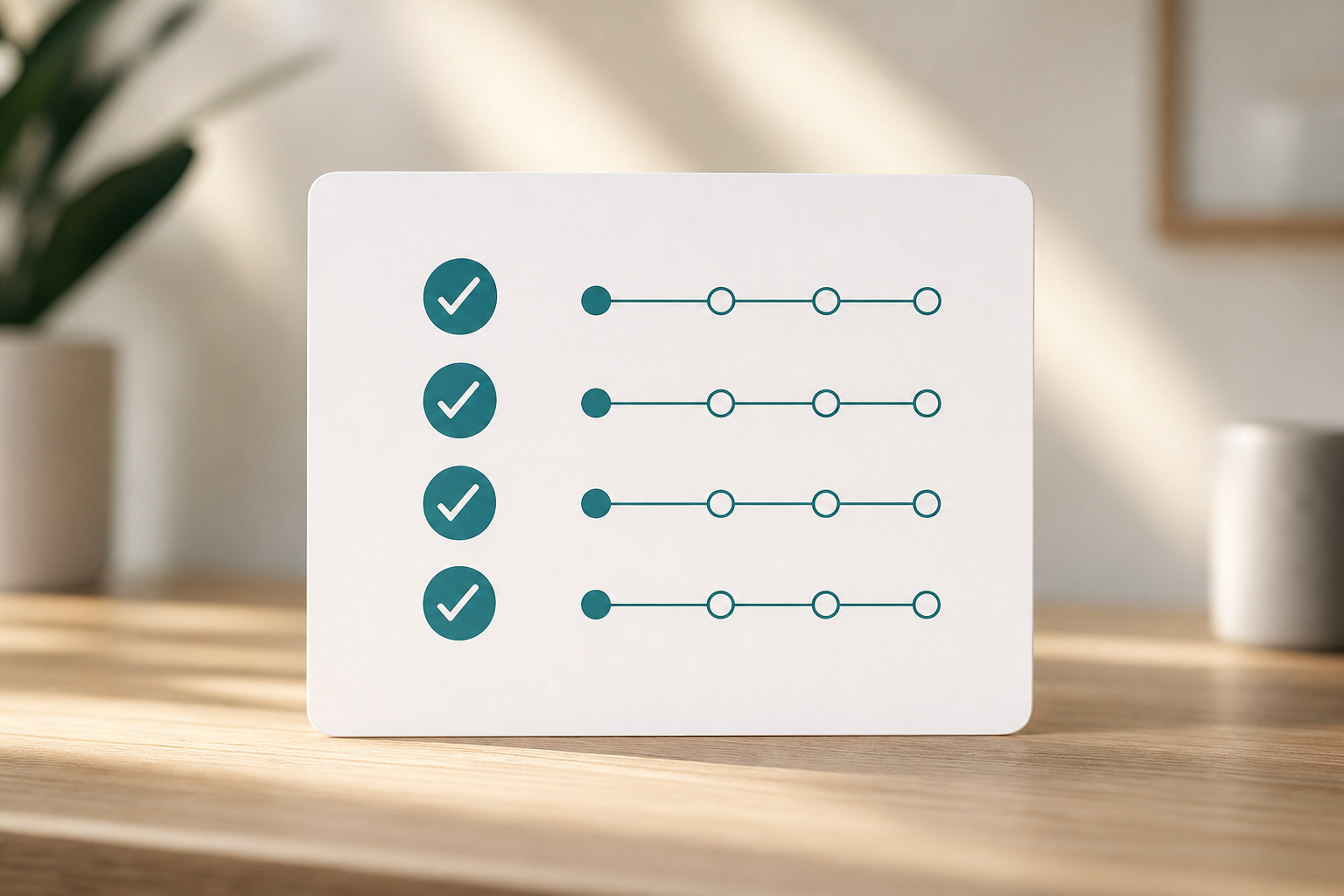
Astrolive vs Other Horoscope and Panchang Platforms for Career Guidance
Compared to alternatives, Astrolive stands out by uniting three tools that career decisions need every day: a sign-specific horoscope, a full panchang with action-linked muhurat, and instant access to live experts. Many generic apps, like Astrosage or standalone Kundli software, excel at one part. However, they often split timing from talk or leave you reading without a way to verify with a pro in minutes. That split slows you down on days when a 30-minute window decides a year-end rating.
Unlike content-only feeds, Astrolive lets you read, time, and speak on one screen. You can switch between signs for your team, scan the day’s tithi–nakshatra–yog–karan, and then tap Chat (₹10/min) or Call (₹15/min). Because experienced astrologers have public ratings and specializations, you avoid blind picks.
Moreover, there is multiple language support: English, Hindi, Telugu, Tamil, Bengali, Gujarati, which means you ask and get answers in the words you use at work. This keeps collaboration smooth if your team spans regions and languages.
Key differences at a glance
- Unified flow: read a daily horoscope, check panchang muhurat, and consult an expert without leaving the app.
- Action-linked timing: shubh windows mapped to tasks (interviews, filings, pitches) instead of vague “good day” labels.
- Verified pros on demand: public ratings, specialties, and per-minute billing reduce risk and speed up answers.
- Practical cues: flags for eclipses, Mercury retrograde, Sankranti, and combust periods that can color negotiations.
- Real-time location logic: easy city switching for global meetings and travel-heavy weeks.
Price matters too. Per-minute rates keep costs visible and low-risk. There’s no bulk upfront fee or subscription to cancel. If you only need five minutes to pick an interview slot, you only pay for five. In addition, free Kundli generation removes the barrier to start, no form of “buy first, ask later.” This lowers the friction for first-time users and supports quick, confident trials before committing to a longer consultation.
Where other tools fall short is the last mile. Reading that a day is “good” is not enough. You need the 10:20–12:05 p. m.
window that boosts speech clarity and a heads-up about a harsh Rahu Kaal from 1:30–3:00 p. m. You also need a pro who can say, “Shift this to Thursday; your Mercury improves,” right when you ask. That is exactly how Astrolive turns interest into outcomes in 2026.
 Generic Horoscope App, 2) Generic Panchang Site, 3) Astrolive; rows: Daily Career Horoscope, Full Panchang (tithi/nakshatra/yog/karan), Muhurat by Task, Live Chat/Call with Ratings, Multilingual Support, Per-Minute Pricing; clean, neutral style)
When a different tool might fit
- If you only need a static monthly sun-sign blurb, a free content site suffices.
- If you only need raw panchang tables without interpretation, a standalone calendar can work.
- If you need deep, multi-hour mentorship, consider booking a longer dedicated session—Astrolive experts can still host it, but plan the block ahead.
Also Read!
Best Kundli Making and Matching for Marriage Compatibility in 2026
Why Professionals Trust Astrolive for Career Astrology
Trust forms when tools work the same way, every day. Astrolive is trusted by millions for accurate astrology tools, and that scale shows in smooth app flows and a rich bench of experts. Because verified astrologers have user ratings and list their skills. Vedic, KP, Numerology, Tarot, Vastu, Lal Kitab, you can match your question to the right mind. Consistency plus choice reduces anxiety on high-stakes days.
In addition, the platform is multilingual with support for English, Hindi, Bengali, Tamil, Malayalam, Kannada, Gujarati, and more. If you think in Kannada but write emails in English, you can consult in Kannada and then apply the advice in English at work. Small detail, big relief.
“The interface is sleek and user-friendly… The Live Chat feature is particularly helpful, allowing me to get instant answers.” — Ananya Sharma, Mumbai, Maharashtra
“The platform is new but already shows great promise… I love how easy it is to find and consult with different astrologers.” — Vikram Singh, Bangalore, Karnataka
Moreover, the risk to start is low. Free and instant Janam Kundli generation means you can check your chart, explore strengths in the 10th house, and only then decide to book a chat at ₹10/min or a call at ₹15/min. If you want to keep records, your Kundli PDF with detailed reports stays on hand, great for periodic reviews with your chosen astrologer. Put together, these trust signals make career guidance feel steady, not mystical.
Trust signals at a glance
- Social proof: trusted by millions of users who rely on accurate astrology tools and daily updates.
- Risk reversal: free and instant Janam Kundli generation; per-minute chat and call pricing; no bulk upfront fee or subscription to cancel.
- Transparent expertise: verified astrologers with public ratings and listed specializations (Vedic, KP, Numerology, Tarot, Vastu, Lal Kitab) so you can choose confidently.
- Privacy promise: secure profile data and optional anonymous chat for sensitive work topics.
- Consistent math: clear ayanamsa and ephemeris references; predictable interpretations day after day.
Who benefits most
- Job switchers who must schedule recruiter screens, panels, and final HR calls across time zones.
- Founders and sales leads who live on demos, proposals, and renewal windows.
- Managers planning 1:1s, reviews, and escalation meetings in heavy project cycles.
- Freelancers coordinating client onboarding, invoice follow-ups, and scope-change talks.
How to Start Using Daily Horoscope and Panchang for Your Career Today
You can start in ten minutes and feel calmer by noon. Here’s a simple flow that blends reading, timing, and talk. It works for interviews, appraisals, pitches, and launch days.
- Download the app.
- Android users: use the Play Store link below.
- iPhone users: use the App Store link below.
- Generate your free Kundli.
- Enter date, time, and place of birth.
- Save the PDF with detailed reports for later review.
- Set your career focus.
- Mark interests like job change, raise, or business launch.
- Enable alerts for shubh muhurat windows.
- Check the daily panchang before key meetings.
- Look at tithi, nakshatra, yog, and karan.
- Note auspicious and inauspicious timings for your task type.
- Consult a career-specialist astrologer when stakes are high.
- Chat at ₹10/min for quick slots or message drafts.
- Call at ₹15/min for complex choices or manager talks.
Moreover, repeat this weekly. You’ll learn your best time bands and reduce last-minute rush. In 2026, that rhythm can be the edge you need.
Download on Android free →, the 6th (work and service), and the 2nd (income). When you read sign-specific notes tied to those areas, you spot days for talks, tasks, and growth. Astrolive provides sign-specific career insights daily, with clear next steps. Furthermore, you can message astrologers who work in Vedic and KP systems for deeper analysis before you book a slot or sign a contract.
Focus on the career houses (10th/6th/2nd)
- Use your daily horoscope to keep the 10th house (career, public standing) themes top-of-mind; reinforce them with panchang-based muhurat.
- Remember the supporting engines: the 6th (work and service) and the 2nd (income). When these houses are strong or well-aspected in your chart, tasks like follow-ups, handoffs, and compensation talks benefit even more from a clean window.
- Pair sign-specific guidance with local shubh periods: a clarity-first nakshatra can sharpen your 10th-house voice, while a methodical karan aids 6th-house execution.
 , 6th House (Work/Service), 2nd House (Income), with arrows to example actions: Interview, Handoff, Salary Talk; neutral colors)
Pro setup tips to make timing effortless
- Create calendar labels like “Focus window” and “Review window” to block muhurat discreetly.
- Pre-draft 3 email templates: interview reschedule, gentle nudge to HR, and manager recap; paste and send inside the shubh window.
- Track your personal “clarity hours” for a month; many users find their voice peaks recur on the same weekday/slot.
- Build a two-person backup plan for key calls so handoffs stay inside the clean window if a meeting overruns.
- Save a one-tap “Time check?” message to your preferred expert; use it for tie-breakers on high-stakes days.
What is panchang and why does it matter for career timing?
Panchang tracks five daily elements: tithi, nakshatra, yog, karan, and var (weekday). Together, they shape how speech lands, how focus holds, and when deals flow. Astrolive’s daily panchang highlights muhurat windows ideal for interviews, resignations, contract filings, or business launches. As a result, you can shift a key call by 30–60 minutes and see a clear difference in tone and outcome.
How much does it cost to consult a career astrologer on Astrolive?
Chat consultations start at ₹10/min and voice calls at ₹15/min. If you prefer classic Vedic analysis, Vedic consultations are ₹14/min. Because pricing is per minute, you can keep guidance short and sharp when you only need a time check. Free Kundli generation is available, so you can start without spending anything.
Is Astrolive more accurate than free horoscope websites?
Free sites write generic sun-sign content that cannot reflect your birth chart’s houses, yogas, or dashas. Astrolive combines personalized Kundli analysis, planetary positions, doshas, and yogas, with live verified astrologers rated by users. That blend boosts career-specific accuracy because it uses your chart and the day’s timing. In addition, you can ask follow-ups until the advice fits your case.
Can I get career guidance in my regional language?
Yes. Astrolive supports English, Hindi, Telugu, Tamil, Bengali, Malayalam, Kannada, Gujarati, and more. You can filter experts by language and specialization, then choose chat or call. For career talks, clarity beats translation, so this feature matters. It makes hard choices easier and faster.
How is Astrolive different from apps like Astrosage or Co-Star?
Astrolive combines daily horoscope, panchang, and live expert consultations in one platform. Unlike content-only apps, you can immediately chat or call a career-specialist astrologer for personalized guidance. Moreover, you get marked muhurat windows for tasks like interviews or filings. That “read → time → talk” loop turns advice into planned action.
Do I need my exact birth time for career horoscope predictions?
Exact birth time improves accuracy a lot. It sets your ascendant and house placements, which drive career readings. Astrolive’s free Kundli generator uses your date, time, and place of birth for precise planetary calculations. If your time is unsure, an astrologer can guide you on rectification before big steps.
Can panchang help me pick the best day for a job interview or business launch?
Absolutely. Astrolive’s daily panchang shows auspicious and inauspicious timings for various activities. You can match your task, interview, review, or launch, to specific shubh windows. Therefore, you reduce friction and give yourself the best shot at a clear, positive exchange.
What if my manager can’t meet during the best muhurat?
Use the nearest clean window outside of inauspicious periods. If timing must be imperfect, adjust the task: keep the high-stakes negotiation for the cleaner slot and use the rougher hour for status or documentation. A quick chat with an astrologer at ₹10/min can help triage in minutes.
How do I blend team schedules with my best window?
Share a small range (for example, 11:40 a. m.–12:30 p. m.) rather than a single time. This invites alignment without revealing your astrology basis. Check your team’s calendars and pick the midpoint if multiple people must join.
What if I work across time zones?
Use location-aware panchang that recalculates sunrise, Rahu Kaal, and local muhurat for each city. Astrolive computes city-level timing, so you can plan for London in the morning and New York in the evening without guesswork. Always confirm which participant’s location “anchors” the meeting.
How do retrogrades (like Mercury retrograde) affect interviews and offers?
Retrogrades don’t halt life, but they change emphasis. During Mercury retrograde, double-check logistics, confirm titles and compensation in writing, and prefer cleaner muhurat windows. Astrolive flags combust and retrograde notes so you can add buffers and reduce rework.
Are there days I should avoid for resignations or tough escalations?
Avoid heavy Rahu Kaal and tense yog periods for emotionally charged steps. Balanced tithis paired with clarity-leaning nakshatras work better for resignations. If you must escalate, do it early in the day within a shubh window and keep outcomes and asks specific.
Can I integrate muhurat with my digital calendar?
Yes. After picking a shubh window, block your calendar with a 10-minute pre-buffer and 10-minute post-buffer. Many users add a label like “Focus window” for privacy. Astrolive’s timing cues are simple to transcribe into Google Calendar or Outlook.
How private are my details and career questions?
Astrolive supports secure profiles and per-minute sessions. You can keep chats concise and avoid sharing employer names if you prefer. Experts focus on timing and approach, not your confidential data.
Does Western astrology also help, or do I need Vedic only?
Many users blend systems. Astrolive’s core is Vedic (with stated ayanamsa), but practical timing via panchang pairs with any approach you follow. For day-of scheduling, panchang muhurat is the time-tested layer you’ll use most.
What preparation improves a panchang-timed interview the most?
- Draft 3 outcomes and 3 concise stories (STAR format).
- Schedule within a clarity-focused nakshatra; avoid Rahu Kaal.
- Do a 5-minute breath reset right before the slot.
- Keep a printed bullet list in case of connection issues.
Can I still benefit if I don’t know my exact birth time?
Yes. You can rely more on sign trends and the daily panchang while you pursue birth time rectification. A brief session can identify safe windows and help you prioritize actions until your birth time is refined.
How do I use this method during travel-heavy weeks?
Pick your anchor city per day, recalc panchang locally, and convert key windows for layovers. Use mixed days for low-risk tasks (emails, drafts) and reserve clean windows for interviews, pitches, or salary talks.
What’s a simple weekly rhythm to stay consistent?
- Sunday evening: skim the week’s sign trends and note 2–3 shubh windows.
- Each morning: glance at tithi/nakshatra and confirm today’s best 45–90 minutes.
- Before big meetings: do a 3-minute checklist with an astrologer if stakes are high.
- Friday: record what worked; refine your personal “power hours.
What metrics should I track weekly to see progress?
- Number of reschedules avoided by proposing cleaner windows.
- Conversion metrics tied to timing (e. g., offers extended, proposals accepted).
- Personal “clarity hours” log: which slots consistently yield better tone and recall.
- Follow-up speed: how quickly you confirm next steps inside a shubh band.
Also Read!
Best Daily Horoscope and Panchang for Hindi in 2026
How to Use Daily Horoscope and Panchang for Marriage Compatibility
Frequently Asked Questions (FAQ)
How do I read today’s panchang in under two minutes?
Scan tithi (tone of the day), nakshatra (skill emphasis), and Rahu Kaal (avoid period). Then pick the cleanest 45–90 minute slot that aligns with your task, speech-heavy work during clarity nakshatras, paperwork during methodical karans.
What’s the difference between Rahu Kaal, Gulika Kaal, and Yamaganda?
All three are caution periods used for timing. Rahu Kaal is widely avoided for new beginnings; Gulika can be mixed and is sometimes used for recurring tasks; Yamaganda is another sensitive window. Astrolive marks them distinctly so you can steer key starts outside.
Can I use panchang even if I’m skeptical about astrology?
Yes. Treat it as a decision framework: avoid high-friction windows and prefer clarity windows for tough talks. Many users report fewer reschedules and smoother conversations simply by timing better.
How do I choose between two “good” slots on the same day?
Favor the slot with cleaner yog/karan and where your local team is freshest. If tied, pick the earlier slot for negotiations and the later one for filings or reviews. A two-minute chat can break the tie using your current dasha-bhukti.
Do eclipses or Sankranti days affect interviews and offer letters?
They add a charged backdrop. You don’t need to freeze life, but prefer conservative, well-documented steps and tighter muhurat windows. Astrolive flags these days so you can plan buffers and reduce surprises.
What if Mercury is weak in my birth chart—should I avoid all talks?
No. You’ll benefit more from structure: written agendas, scripted openings, and cleaner windows. During tough Mercury transits, aim for shorter calls and follow up with a crisp email recap.
Does Astrolive support KP, Numerology, Tarot, or Vastu for career questions?
Yes. Experts list specializations and languages. You can filter for Vedic, KP, Numerology, Tarot, Vastu, or Lal Kitab, then choose chat or call with visible per-minute pricing.
How can I align team calendars without revealing I used muhurat?
Offer a narrow range, “Could we do 11:40 a. m.–12:10 p. m. or 12:20–12:50 p. m.?”, and frame it around “focus windows” and “meeting load.” Most teams will accept small ranges that improve attendance and energy.
Can entrepreneurs use this for cash collection or vendor negotiations?
Yes. Use driven nakshatras and supportive tithis for receivables; avoid Rahu Kaal for first outreach. For vendor talks, place concessions in steadier windows and use mixed periods for research or draft redlines.
How accurate are push notifications versus checking panchang manually?
Push notes are great nudges, but panchang is dynamic. If a meeting is high-stakes, open the app to confirm intra-day shifts (nakshatra or karan changes) within your slot.
What permissions does the app need, and why?
Location for local sunrise and Rahu Kaal; timezone for travel accuracy; optional notifications for muhurat alerts. Profile data stays secure, and anonymous chat is available for sensitive career topics.
What if I miss the ideal muhurat?
Use the next clean window and adjust scope, convert a big negotiation into a rapport call, then return to numbers in the better slot. Document decisions in writing to reduce rework.
How frequently should I consult an astrologer for career planning?
Many users check in monthly for arc guidance and briefly before high-stakes meetings. Per-minute pricing keeps quick confirmations affordable when you only need a green light.
Can I export chosen muhurat to Slack or Microsoft Teams?
Yes. Add the window to your calendar and share the event in Slack/Teams. Label it “Focus Window: Review” to keep the purpose clear without disclosing astrology.
Does Western astrology (transits) combine well with panchang?
It can. Use Western transits for themes and Vedic panchang for the exact execution window. The blend gives you both narrative and precision.
Should I avoid all Fridays if Venus is stressed in transit?
No. Avoid blanket rules. Use your daily horoscope for theme awareness and panchang for precise windows. A clean yog/karan combo on a Friday can still deliver excellent rapport outcomes.
How do I prepare my team for panchang-based scheduling without naming astrology?
Share ranges in advance, emphasize reduced context switching, and note the benefit: “We’re trialing tighter focus windows to improve decision quality.” Let results speak.
Wrap-Up: Make Confident Career Moves, One Timed Step at a Time
- Use your chart for direction and panchang for timing. That blend turns stress into a plan.
- Look for sign-specific insights, full panchang data, and marked muhurat tied to real work tasks.
- Keep a pro in your pocket with per-minute chat or call, ratings, and languages that fit you.
You don’t need loud promises, just a steady method you can repeat in 2026. Read, time, and talk, then act.