




A single day holds 24 horas, planetary hours that guide what to do and when. This is your complete guide hora for 2026, built to help you match tasks with the right hour and see steadier results.
Hora is the classical “planetary hour” system: each day is split into 24 variable-length slots ruled in turn by Sun, Venus, Mercury, Moon, Saturn, Jupiter, and Mars. You start counting from your local sunrise. Then you follow the same repeating planetary order to pick the right window for a task.
Think of horas like ocean tides. The tide doesn’t force a boat to move, but it can make a launch smooth or rough. In the same way, hora timing won’t replace effort, yet it can make actions feel aligned, efficient, and less blocked.
Moreover, hora works best alongside the panchang, the day’s almanac with tithi (lunar day), nakshatra (lunar mansion), yog, and karan. As a result, you don’t just ask, “Is this hour good?” You ask, “Is this hour good for this action on this lunar day?” That shift adds nuance and respect for tradition without turning rigid or superstitious.
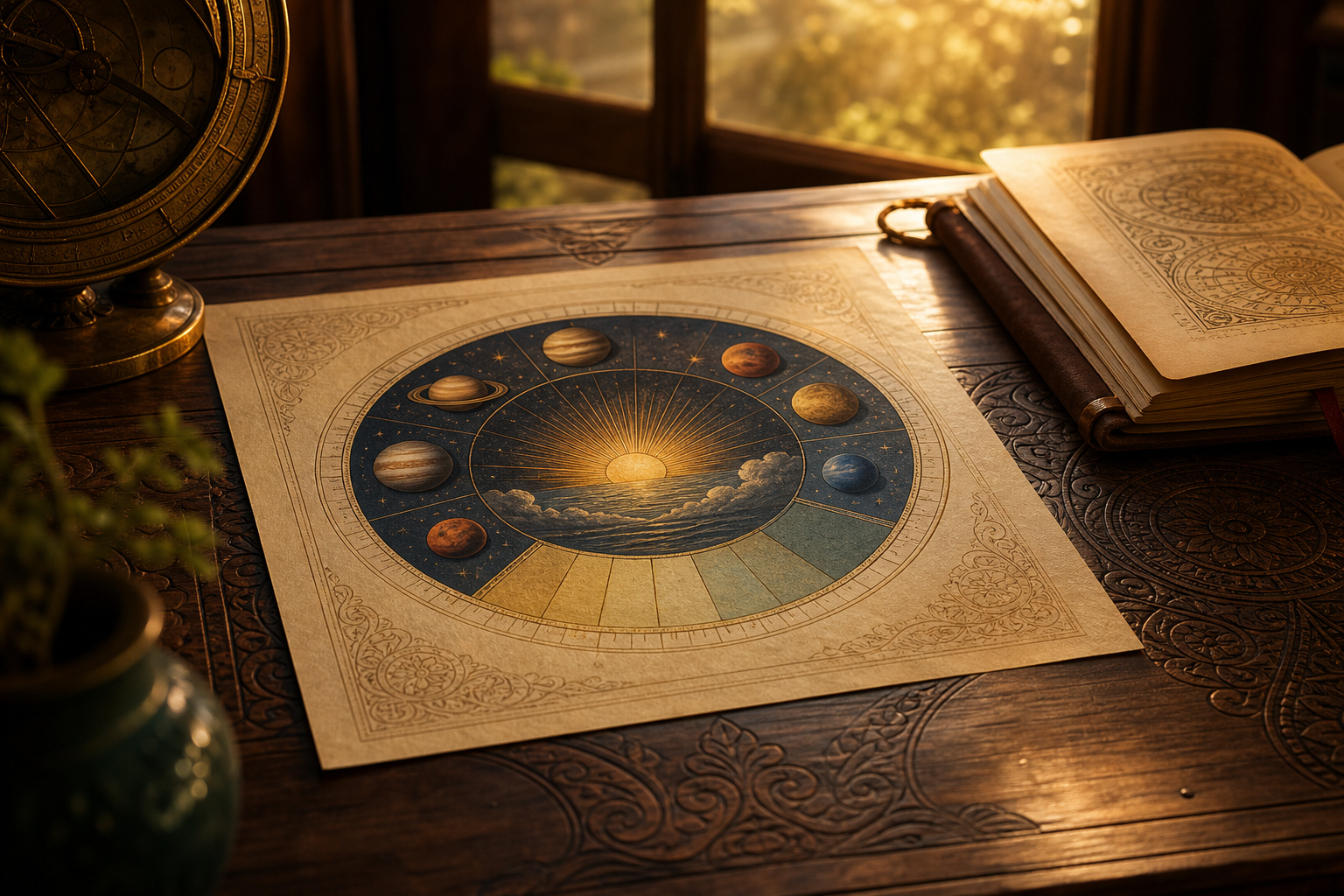
What Is Hora and Why Does It Matter in Vedic Astrology?
Hora is the ancient system that divides every civil day into 24 planetary “hours.” Unlike the clock’s fixed 60 minutes, day horas are the daylight length split into 12 parts, and night horas are the night length split into 12 parts. Therefore, hora lengths vary with the seasons and your latitude.
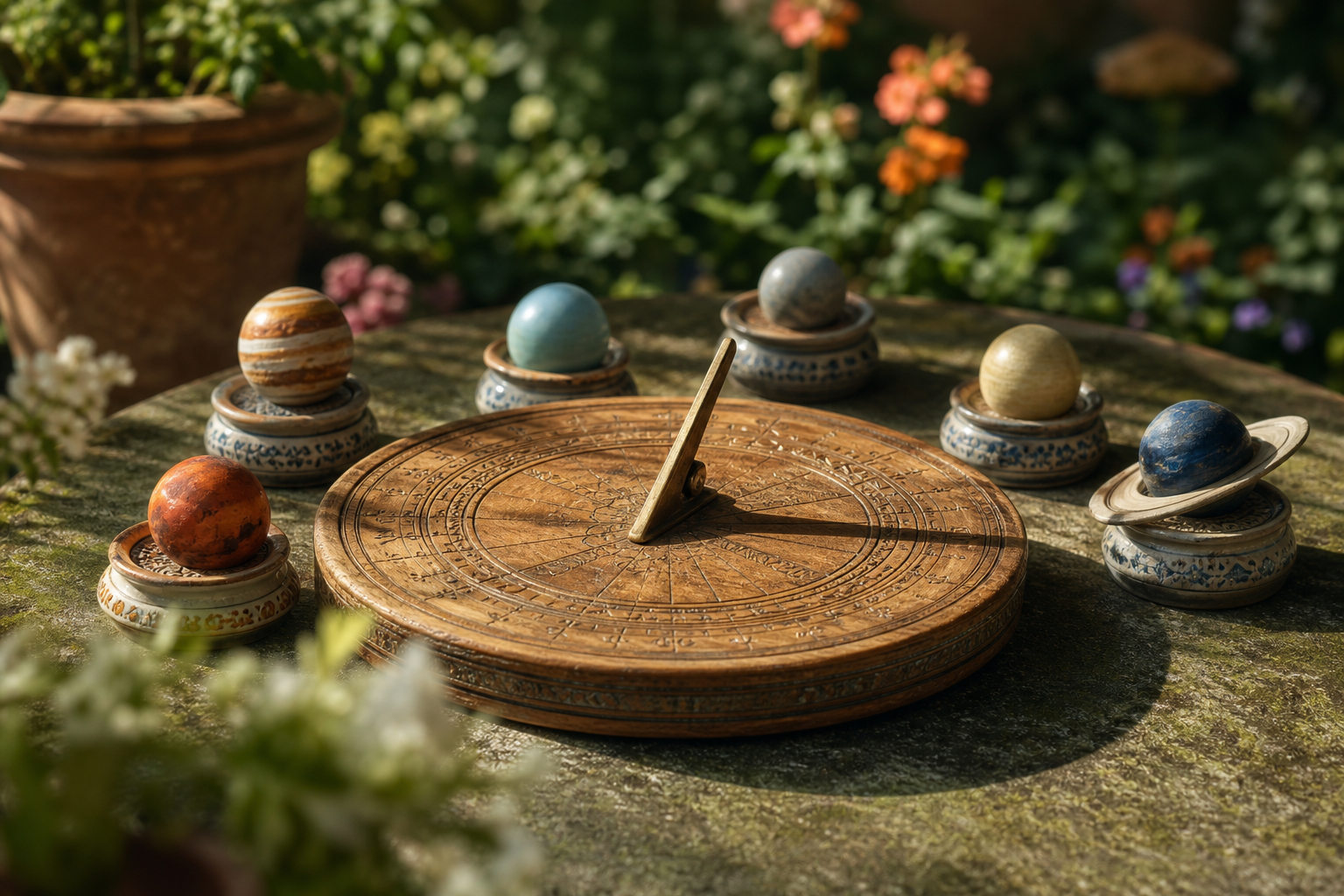
The first hora of any weekday is ruled by the planet that names the day: Sunday begins with the Sun, Monday with the Moon, Tuesday with Mars, Wednesday with Mercury, Thursday with Jupiter, Friday with Venus, and Saturday with Saturn. Then, the hourly rulers cycle through the classical order: Saturn → Jupiter → Mars → Sun → Venus → Mercury → Moon, repeating until next sunrise. If you want a primer on the historical scheme, see the Planetary hour overview on Wikipedia.
In addition, hora lives inside a bigger context: the panchang.
- Tithi (lunar day)
- Nakshatra (lunar mansion)
- Yog (a sum of Sun–Moon longitudes)
- Karan (half-tithi unit)
Specifically, each hora carries a flavor. Sun horas favor leadership and visibility. Moon horas suit care and travel. Mars horas reward bold, physical moves.
Mercury horas boost writing and trade. Jupiter horas support learning, counsel, and finance. Venus horas lift art, love, and design. Saturn horas favor discipline, repairs, and long-term planning.
Guide Check: Panchang Context Before Action
- Cross-check hora with tithi and nakshatra before you act.
- Use auspicious and inauspicious windows as guides, not rules.
- Prefer planetary alignment that fits the “type” of action you plan.
Furthermore, platforms that show a daily panchang with details on tithi, nakshatra, yog, and karan help you see those “tides” at a glance. This context makes hora planning steadier and more realistic, especially when you need auspicious and inauspicious timings for important activities like signings, launches, or travel.
How to Read and Use the Hora Chart: A Step-by-Step Guide
An hour-by-hour chart looks complex at first. However, once you fix sunrise and know the planetary order, it feels like reading a bus timetable with seven familiar routes. Follow these four steps.
Hora Guide: Step-by-Step
-
Step 1: Identify the day’s ruling planet.
-
Sunday → Sun, Monday → Moon, Tuesday → Mars, Wednesday → Mercury, Thursday → Jupiter, Friday → Venus, Saturday → Saturn.
-
Step 2: Map the hora sequence from sunrise.
-
Take local sunrise. The first hora is the day’s lord. Then follow the repeating order: Saturn, Jupiter, Mars, Sun, Venus, Mercury, Moon. Keep listing until sunset for the 12 day horas. Do the same from sunset to next sunrise for the 12 night horas.
-
Step 3: Match your activity to the ruling planet.
-
For instance, pitch or present in Sun hora, send key emails in Mercury hora, set budgets in Jupiter hora, fix and refactor in Saturn hora.
-
Step 4: Cross-reference with panchang elements.
-
Check the day’s tithi and nakshatra. If you need auspicious timing for a contract or ceremony, confirm that tithi and nakshatra do not contradict the action. This double-check refines auspicious and inauspicious timings for various activities.
Complete Matching: Activities vs. Planetary Rulers
| Planet (Hora Ruler) | Keywords | Ideal Activities |
|---|---|---|
| Sun | Authority, rank, clarity | Leadership calls, presentations, publicity, government work |
| Moon | Care, change, flow | Travel, nurturing tasks, brand voice, public relations |
| Mars | Drive, heat, courage | Workouts, competition, decisive action, rapid fixes |
| Mercury | Trade, speech, detail | Writing, studying, sales calls, contracts (with review) |
| Jupiter | Wisdom, counsel, growth | Teaching, mentoring, budgeting, donations, strategy |
| Venus | Harmony, art, charm | Design, music, romance, client rapport, aesthetics |
| Saturn | Duty, structure, endurance | Long-term planning, audits, repairs, compliance, deep work |
For example, suppose sunrise is 6:10 a.m. on Thursday (Jupiter’s day). The first hora is Jupiter, then Mars, Sun, Venus, Mercury, Moon, Saturn, and repeat. If you want to review taxes, pick a Saturn hora that also falls on a steady tithi and a supportive nakshatra. As a result, both planetary hour and lunar factors align with the nature of the task.
Moreover, some apps add personalized insights based on planetary alignments in your birth chart. That can hint at which horas feel extra smooth or edgy for you. Still, use those notes to refine your plan, not to replace common sense or due diligence.
Also Read!
Your Complete Guide to Ugadi 2026: Date, Rituals, Panchanga Sravanam, and Celebrations
Famous Celebrity Geminis: The Complete Guide to Gemini Stars
Common Mistakes People Make When Using Hora
Even sincere seekers stumble on a few repeat errors. Fortunately, each has a clear fix you can apply right away.
First, people confuse hora with muhurta. A muhurta is a precise auspicious moment chosen by weighing many panchang and chart factors. By contrast, hora is a broader energy window. Therefore, use hora to “group” your actions into better hours, and use muhurta (or an astrologer) for once-in-a-year decisions.
Second, many start the count at clock midnight instead of sunrise. The hora cycle starts at your local sunrise. So, check sunrise for your town and date before you build the 24-hour sequence.
Third, users ignore the D-2 (Hora) divisional chart in their Kundli. The D-2 speaks to resource flow and ownership themes. If your D-2 is sensitive to a certain planet, you might feel its horas more strongly. Advanced Kundli software calculates planetary positions, houses, doshas, and yogas, and that level of detail helps you read the D-2 context before staking money or reputation on a time slot.
Fourth, some follow hora blindly without checking tithi or nakshatra. A great Venus hora on a tense tithi can still feel off for a wedding talk. Cross-reference the daily panchang so you blend hourly flavor with the day’s lunar mood.
Fifth, people treat all Sun horas, or any planet’s horas, as equal. They differ based on the day, house transits to your natal planets, and the lunar context. In addition, a free and instant Janam Kundli generation using date, time, and place of birth can reveal your natal strengths so you fine-tune which horas to court and which to pass.
Guide Corrections: Quick Fixes
- Start at sunrise, not midnight.
- Use hora for broad timing; seek muhurta for milestones.
- Check D-2 for money and resource themes.
- Blend hora with tithi and nakshatra for nuance.
Tools and Resources for Checking Today’s Hora
You have three clear routes. First, traditional panchang almanacs list tithi, nakshatra, yog, karan, sunrise, and sunset so you can compute horas by hand. Second, online hora calculators give ready-made hourly rulers for your location and date. Third, astrology platforms like Astrolive pull it all together with a daily panchang (tithi, nakshatra, yog, karan), auspicious and inauspicious timings for various activities, and personalized insights based on planetary alignments.
Moreover, Astrolive is a multilingual platform with support for English, Hindi, Bengali, Tamil, Malayalam, Kannada, Gujarati, and more, so you can read and chat in the language you prefer. Social proof matters too: it’s trusted by millions for accurate astrology tools, which adds confidence when you plan key actions.
"The interface is sleek and user-friendly, making it easy to navigate. The astrologers are very knowledgeable and provide insightful guidance." — Ananya Sharma, Mumbai, Maharashtra
If you need one-to-one help, you can chat with an astrologer at ₹10/min to weigh hora against your specific chart and task. For urgent choices, a short guided call can prevent rushed moves and save you from a poor time slot on a tough tithi.
In addition, for background reading on day structure, the Panchangam article outlines the calendar math behind sunrise, tithi, and nakshatra. While 2026 brings new projects and deadlines, these same daily sky rhythms still apply, steady as sunrise.
Hora Tools Guide: What To Look For
- Local sunrise/sunset and auto-built 24 horas
- Panchang details (tithi, nakshatra, yog, karan)
- Notes on auspicious and inauspicious timings for your task type
- Optional birth-chart context to personalize picks
What to Do Next: Applying Hora to Your Daily Routine
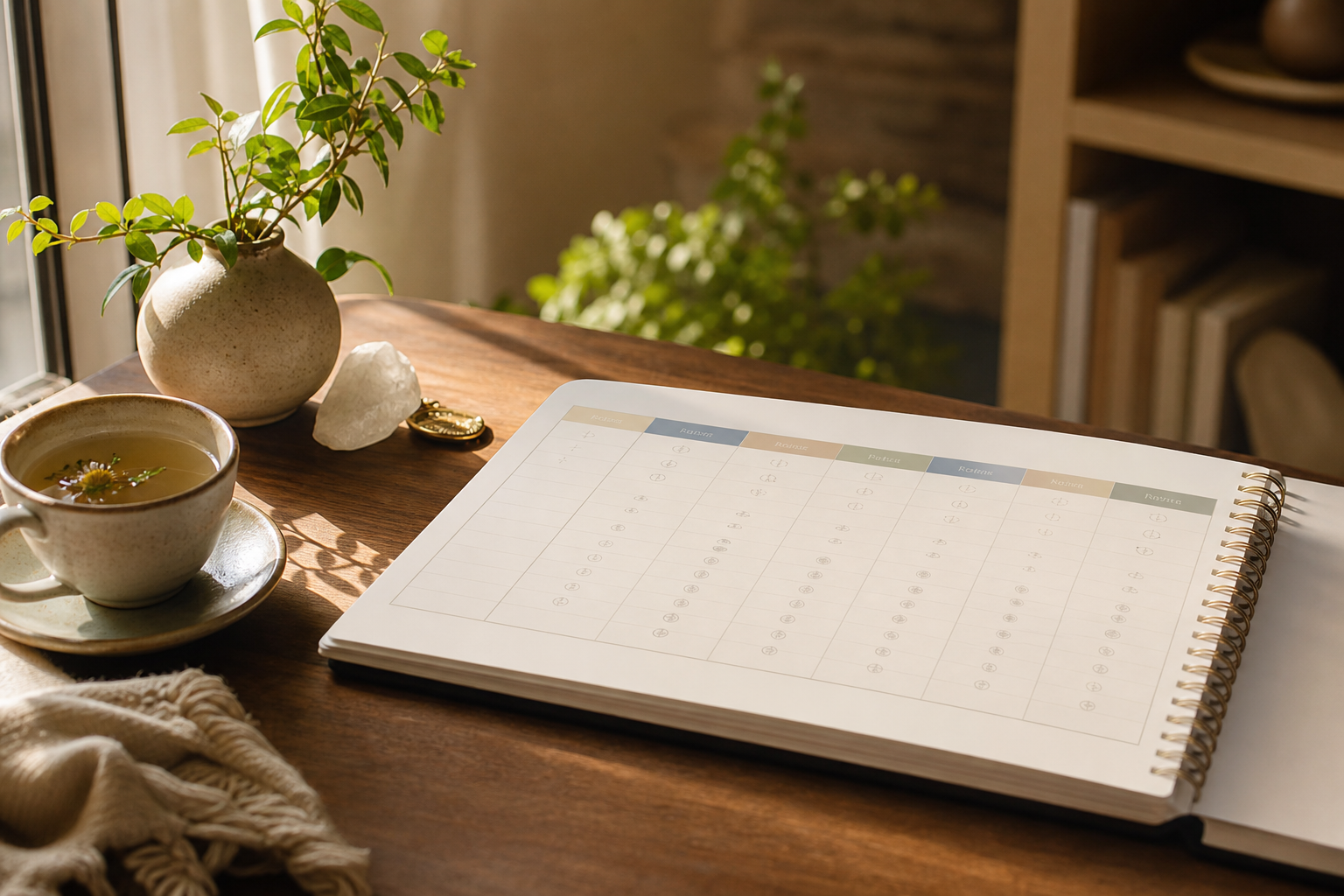
Start small. Take one week to test hora before key tasks. Keep a simple log. Note the task, hora ruler, panchang notes, and how it felt. After seven days, you’ll see patterns you can build on.
Specifically, pick one task category, like “deep work” or “client outreach.” Schedule it in two or three matching horas across the week (e.g., Saturn for deep work, Mercury for outreach). As a result, you test the idea in a fair way without changing your whole calendar.
Next, bring in the lunar context. If a task is touchy, money talk, legal signing, or a medical step, blend hora with nakshatra and tithi to judge the day’s tone. Furthermore, check your Daily, Monthly, and Yearly Horoscopes to spot weeks where your natal themes align with certain planets. That way, you know which planetary hours to court more in those windows.
Finally, don’t aim for perfection. Aim for repeat gains. If picking Mercury hora lifts your response rate by even one extra client per week, that’s a clear, practical win.
A One-Week Hora Practice (Quick Plan)
- On Sunday night, write your must-do tasks for the week.
- Each morning, note sunrise and map the 12 day horas.
- Choose two tasks to place in “matching” horas.
- Add tithi and nakshatra notes.
- Track results and mood in 1–2 lines.
- On day seven, keep what worked. Drop what didn’t.
Key Takeaways
- Hora divides the day into 24 planetary windows; start from local sunrise and follow the seven-planet cycle.
- Blend hora with tithi and nakshatra to refine auspicious and inauspicious timings for important tasks.
- Match actions to rulers: Mercury for writing/trade, Saturn for structure, Jupiter for counsel, Venus for design, Mars for decisive moves, Moon for care, Sun for leadership.
- Use a week-long log to see what actually works for you in 2026.
- Tools that show the daily panchang and personalized insights make planning faster and clearer.
What to Do This Week
Pick one task you care about. Place it in a matching hora on three different days. Note tithi and nakshatra beside it.
Track the feel and the result. Then repeat next week with one more task. With small, steady trials, hora turns from a neat idea into a real edge you can measure.