




Planning a wedding in 2026? Free kundli generation and matching lets you create accurate charts and compare them side by side so you can discuss compatibility with clarity. This guide shows you how to read scores, spot doshas, and turn insights into practical next steps.
**Download Free Kundli App → maps the sky at your birth, planets, zodiac signs, and the 12 houses. In Vedic terms, this snapshot guides timing, traits, and likely trends.
For a quick primer on charts, see the overview of kundalis on Wikipedia.
Your birth chart is a sky-map; the match compares two maps to see where routes align and where detours help.
In addition, families use matching to reduce risks and align values. For example, it can flag health strain, money stress, or ego clashes early. However, the aim is not fatalism. Rather, the goal is informed consent, two adults choosing with eyes open.
Why Families Still Rely on It in 2026
- Reduce avoidable surprises by checking temperament, stress triggers, and long-term rhythms before making commitments.
- Align expectations on money, family roles, intimacy, and timing so conversations are grounded, not guesswork.
- Spot timing windows for ceremonies, relocations, or family planning when transits are supportive.
- Blend tradition with modern communication: the match report becomes a neutral document you can discuss calmly.
Ashtakoota (36 Guna) Milan — The Score Explained
The Ashtakoota method scores match quality on a 36-point scale. It groups eight “kootas” (buckets) that touch real-life areas. Tools may also show “16 Guna Milan,” but the standard output still totals to 36 points for marriage decisions. In practice, the software assigns points to each koota based on the two charts’ Moon signs, nakshatras, and inter-relationships, then sums them.
- Varna (1): Respect and spiritual outlook
- Vashya (2): Influence and mutual sway
- Tara (3): Longevity and luck flow
- Yoni (4): Intimacy and sexual harmony
- Graha Maitri (5): Mental rapport and friendship
- Gana (6): Temperament and conflict style
- Bhakoot (7): Prosperity and family growth
- Nadi (8): Health, genetics, and offspring wellness
Therefore, a high score suggests smoother alignment across these areas. Yet it is not a guarantee. It is a signal to probe the “why.” For instance, a 28/36 can hide a weak Nadi or Bhakoot. Conversely, a 19/36 may work well if the kootas that matter to you two are strong. Always pair the number with a discussion of daily habits, boundaries, and shared goals.
- How to read your 36-guna score at a glance:
- If the total is strong but one koota is very low, focus your conversations and remedies there.
- If the total is modest but Graha Maitri and Gana are high, day-to-day rapport may still feel easy.
- If Bhakoot or Nadi are low, prioritize expert review, as these two often carry heavier weight in tradition.
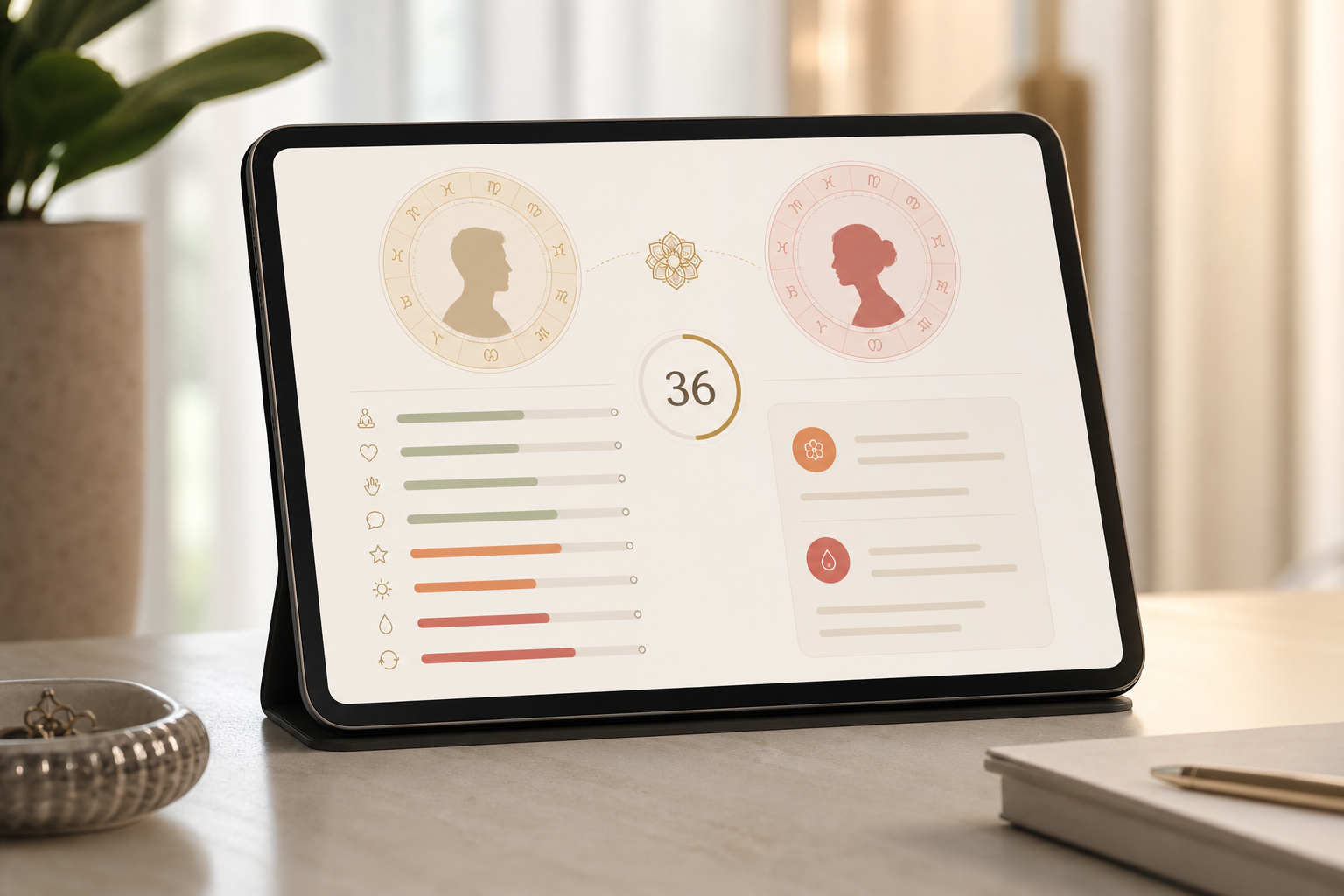
For context in 2026, free kundli generation and matching tools calculate these points using your birth dates, times, and places. They also surface doshas and yogas you should discuss. Most reliable tools auto-detect time zones and daylight saving rules; still, verify birthplace coordinates and local offset so the ascendant and Moon placement are precise.
Want a primer on process and meaning? Read this practical guide to kundli matching before you sit with both families.
Step-by-Step: How to Generate Your Kundli and Match It with Your Partner
Here’s a clear, ordered path you can follow at home before you book any consults. Keep notes as you go, and share them with each other. If you’re long‑distance, schedule a screen-share so you can interpret the same report together and agree on what to ask an astrologer later.
1.
Write down your date, place, and the exact time of birth from a birth certificate or hospital record. In addition, ask parents for confirmation. Even a 5–10 minute shift can change ascendant and house cusps.
Tip: Confirm time zone and whether daylight saving time was in effect at the place and year of birth; apps sometimes mis-detect historical DST rules.
2.
Use a trusted tool for free and instant Janam Kundli generation using date, time, and place of birth. For a guided walkthrough of what you’ll see on the page, open this step-by-step on janam kundli.
Add both North and South Indian chart views to your PDF if available; some mentors prefer one view when explaining house strengths.
3.
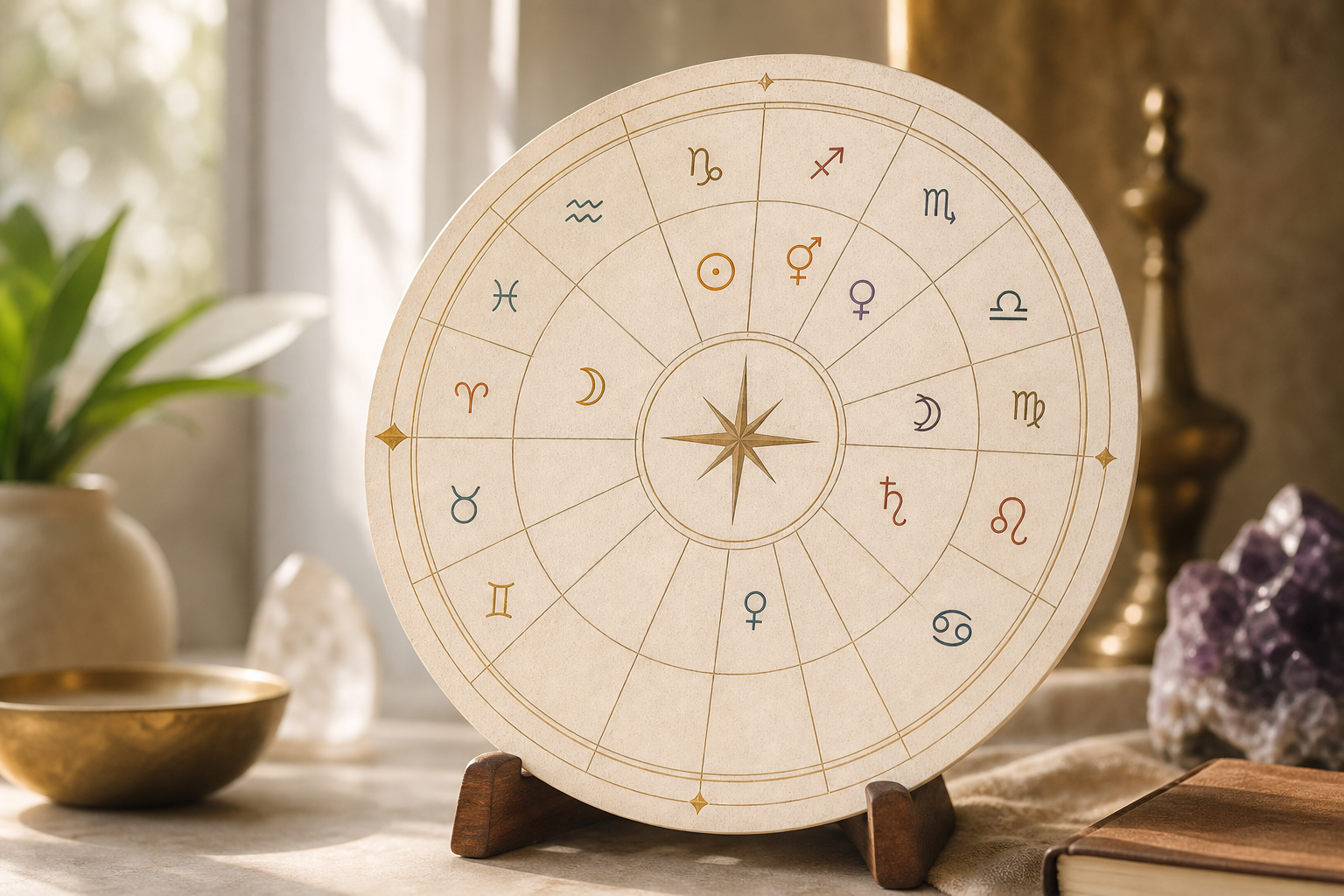
Review where Sun, Moon, Mars, Mercury, Jupiter, Venus, Saturn, Rahu, and Ketu sit across the 12 houses. Moreover, note ascendant (Lagna) and Moon sign (Rashi). These shape temperament, health, bonds, work, and wealth.
As you skim, mark standout placements (e. g., exalted planets, retrogrades, combustions) and note yogas (like Gaja Kesari) that could influence marriage dynamics.
4.
Load both charts into the matcher. Advanced kundli software calculates planetary positions, houses, doshas, and yogas, then outputs the 36-guna score. Specifically, look at the detailed breakdown, not just the total.
If the app allows, toggle “detailed reasoning” to see why particular kootas scored low or high; save these notes for your discussion.
5.
As a rule of thumb, 18+ is workable, 24+ is strong. However, check which kootas scored low and why. For example, a low Gana may mean clash in conflict style; a low Graha Maitri can hint at weak day-to-day rapport.
Also compare the nakshatras: Tara compatibility can affect overall resilience during stressful periods like relocations or career shifts.
6.
Scan for Mangal (Kuja) Dosha, Nadi Dosha, and Bhakoot Dosha. Then verify any cancellation rules (Uparjaya house Mars, mutual manglik, or strong benefic aspects). For background on Mars effects, see Mangal Dosha.
-
Common cancellation checks to discuss:
-
Mutual Manglik: both partners Manglik often neutralizes the effect.
-
Placement in 2nd, 4th, 7th, 8th, or 12th vs. Uparjaya houses (3rd, 6th, 10th, 11th) can lessen impact.
-
Strong benefic aspects (Jupiter/Venus) on Mars or the afflicted house may mitigate.
-
For Nadi and Bhakoot, navamsa (D9) strengths and overall compatibility can offset weakness.
-
Practical remedies many couples consider:
-
Temple visits, vow observances, or charity specific to the dosha.
-
Gem recommendations under guidance, only after confirming overall chart strength.
-
Timing major steps (engagement, wedding) during supportive transits.
-
Joint lifestyle shifts (sleep, diet, stress routines) that ease known pressure points from Mars/Saturn.
Quick note: Doshas flag risk, not destiny. The lived pattern you create together—communication, respect, and shared planning—shapes the outcome alongside remedies.
7.
If the score sits near 18, or a key dosha appears, book a review. Furthermore, ask for practical remedies and timing tips. A pro can weigh strengths and weak spots across both charts and your real-life story.
Request a written summary with “watch-outs,” green flags, and a 3–6 month transit window for ceremonies or big moves.
- What to bring to the consult:
- Your two PDFs and the match report with highlights.
- A short note on how you currently handle conflict, money, health, and family ties.
- Three clear questions on dosha cancellations, remedies, and 2026 timing.
- Any constraints (budget, preferred cities, family expectations) so timing advice is realistic.
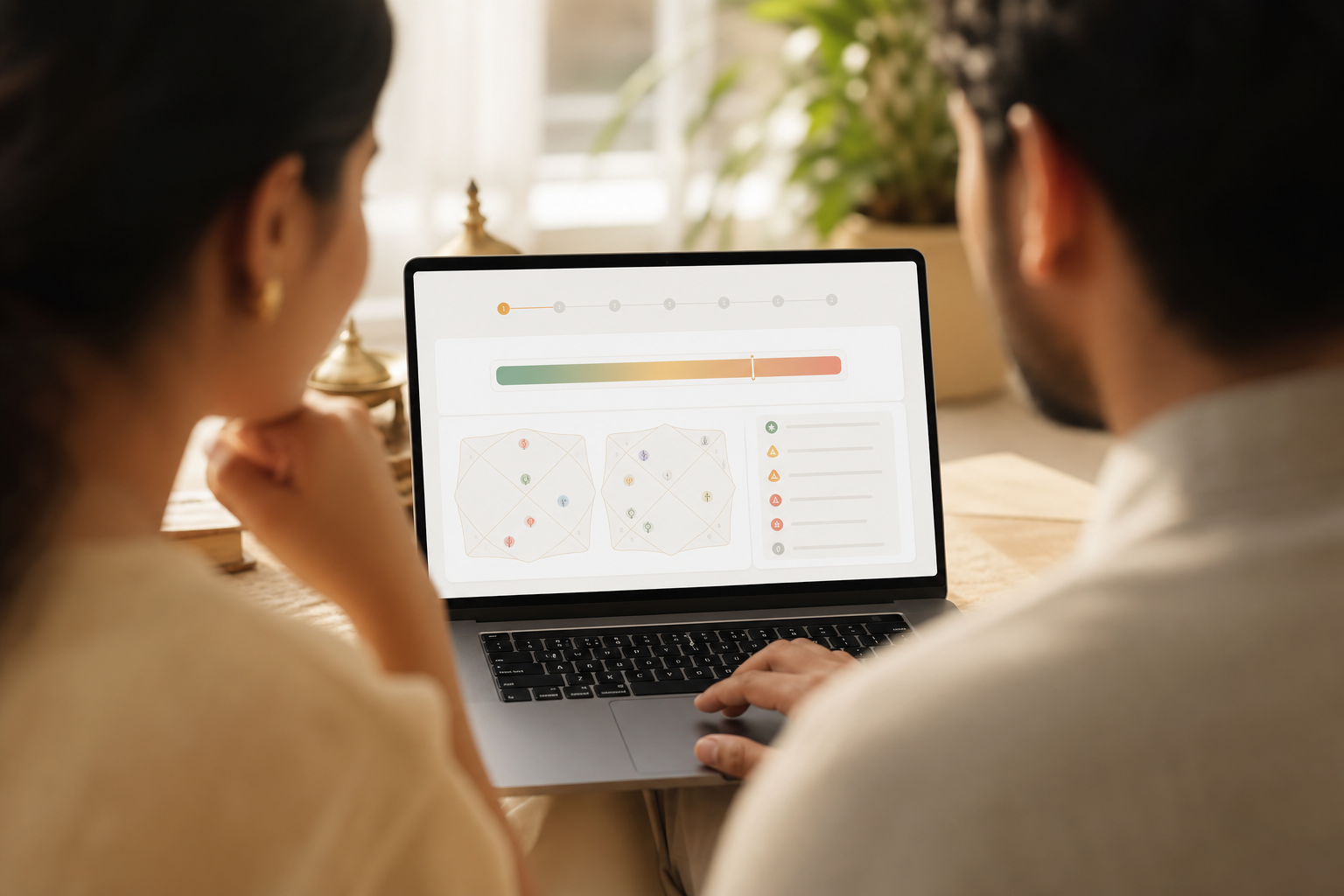
As you finish, save both PDFs and the match report. Therefore, you can compare notes later or share with elders. With free kundli generation and matching, you’ll get a fast read, and the PDF makes it easy to revisit results. Create a shared folder (cloud or messaging pin) so updates, remedies, and decisions live in one place for both of you.
Finally, agree on your pace. If you feel aligned after the review, set dates. If not, take two weeks to try the suggested habits and revisit the plan. With free kundli generation and matching backing your talks, you’ll make a calm, shared choice. Build in one check-in after 30 days to see what’s working and what needs adjustment, then finalize dates.